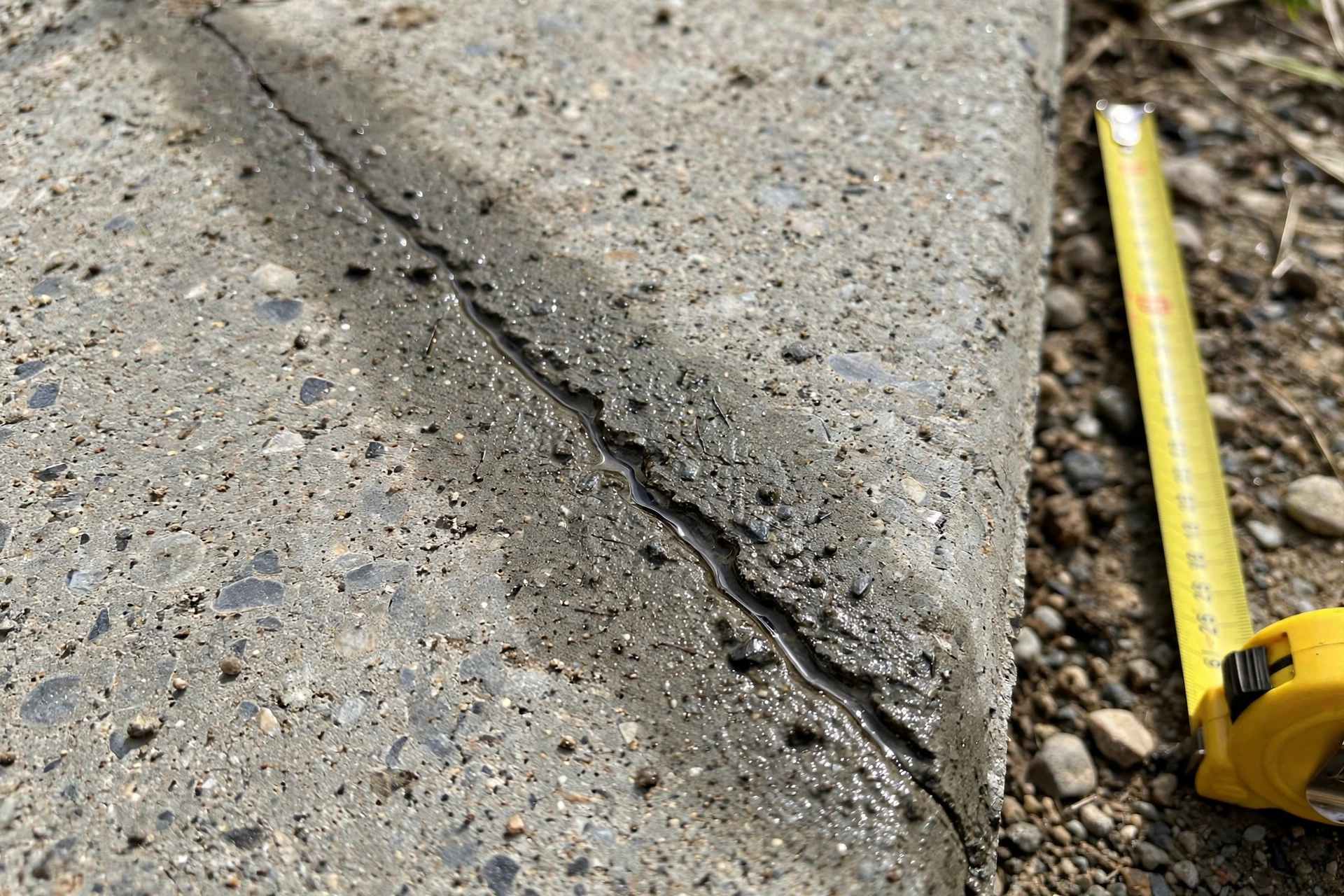
Hillside Homes and Slab Leaks: Drainage and Soil Movement
Hillside Homes and Slab Leaks: Drainage and Soil Movement
Read the full guide →
Published September 16, 2026 • Slab Leak Repair Professionals
Every slab leak has a cause — and in Rancho Palos Verdes, the usual suspects include hillside soil movement, salt-air corrosion, and water pressure. Knowing which one is attacking your home determines the right fix.
Homeowners tend to blame one thing for slab leaks — "the soil," "old pipes," "bad luck." The reality is more specific and more useful: three distinct forces break under-slab pipes, they leave different evidence, and each points to a different repair strategy. On the Palos Verdes Peninsula, all three are active.
Rancho Palos Verdes is famous for its views and its geology — hillside lots, ancient landslide terrain, and soils that move with moisture and time. Soil creep (the slow downhill migration of hillside ground), drainage-driven erosion, and seismic settling all stress buried plumbing. Rigid copper doesn't tolerate differential movement well; joints fatigue, pipes flex at penetration points, and eventually something gives. Homes on slopes or near canyon edges face this most acutely — and the peninsula's well-documented landslide zones deserve special attention to drainage.
Coastal air carries salt that accelerates exterior corrosion on any exposed metal, but the bigger threat is inside the pipe: local water chemistry pitting copper from within. Pitting creates pinhole leaks unrelated to soil movement — the pipe fails because its walls thinned. Salt air also corrodes water heater connections, hose bibs, and exposed fittings faster than inland, and that exterior deterioration can mask or accompany the interior story.
Household pressure above 80 PSI hammers every joint and pipe wall. It rarely acts alone — instead it accelerates the other two causes. A pinhole that would weep harmlessly for years at 55 PSI becomes an active spray at 100; a joint fatigued by hillside creep holds at normal pressure and fails at high. Many peninsula homes sit at pressures their owners have never measured. The five-minute hose-bib gauge test is the cheapest diagnostic in plumbing.
Seismic events — even minor ones — shift soil abruptly and shock rigid plumbing. A quake can crack a weakened joint instantly or start a slow failure that appears weeks later. After any felt earthquake, run the meter test and monitor for new symptoms. And know your seismic shutoff valve: in earthquake country, it's as important as knowing the main shutoff.
Soil-driven failures argue for rerouting (get pipe out of moving ground) and drainage correction. Chemistry-driven pitting argues for repiping with resistant materials and water treatment. Pressure problems argue for a regulator protecting any fix. Seismic vulnerability argues for flexible connections and shutoff valves. Diagnose the cause, then choose the repair — the most expensive mistake is fixing the leak while ignoring what caused it.
Suspect a leak and want to know the why, not just the where? Call (833) 713-2101.
You don't need to diagnose it yourself, but arriving informed helps. Consider the home's position: hillside lot with drainage history suggests soil; same-era neighbors with pinholes suggest water chemistry; a recent earthquake suggests seismic stress. Check your pressure with a gauge — it's a data point the technician will want regardless.
Look at the failed pipe if any is exposed during repair: pinholes along the bottom indicate internal pitting; a split at a joint suggests mechanical stress; green-white buildup at one contact point hints at galvanic corrosion. Photograph it. The failed pipe is evidence, and evidence drives better decisions about what to do next — soil problems get reroutes and drainage work, chemistry problems get material changes and treatment, pressure problems get regulators.
Remember that causes combine on the peninsula more than most places: hillside creep plus salt-air corrosion plus pressure plus seismic history. The best repair strategies address the whole picture rather than betting on a single cause.
After any felt earthquake, add a meter check and symptom scan to your routine — seismic events are the peninsula's special reason to re-verify. Log quake dates alongside your plumbing log; the timeline tells the complete story for insurance and for future technicians.
Know your seismic shutoff valve's location and test it on schedule. It's the device that prevents the quake-plus-away-from-home flooding scenario — and like any safety device, it needs verification to be trustworthy.
Talk to a Peninsula specialist — detection, honest advice, and upfront pricing.
Call (833) 713-2101Hillside soil movement and corrosion share the lead. The peninsula's hillside lots experience soil creep and drainage-driven movement that stresses buried pipes, while salt air and local water chemistry attack copper from the inside. Many leaks are multi-causal — soil-weakened joints failing under pressure, or corroded pipe finished off by ground movement.
Yes. Even minor seismic events shift soil and stress rigid plumbing connections. After any noticeable earthquake, it's wise to run the water meter test and watch for new symptoms — leaks triggered by seismic movement often appear weeks later as stressed joints begin to weep.
High pressure is a threat multiplier: it accelerates corrosion pitting, finishes off joints weakened by soil movement, and exposes installation defects years early. Homes above 80 PSI should have a regulator — it's the cheapest protective device in plumbing.
Hillside Homes and Slab Leaks: Drainage and Soil Movement
Read the full guide →How Long Do Copper Water Lines Last Under a Slab?
Read the full guide →Earthquake Country Plumbing: Seismic Shutoffs and Slab Leaks
Read the full guide →