Slab Leak Insurance Claim Help in Lawndale, CA 90260
Looking for slab leak insurance claim help in Lawndale, CA 90260? Slab Leak Repair Experts connects you withspecialists serving the Heart of the South Bay.
In Short
Looking for slab leak insurance claim help in Lawndale, CA 90260? Slab Leak Repair Experts connects you withspecialists serving the Heart of the South Bay. We confirm your 90260 ZIP, review and the first step is a documentation checklist tailored to your home, your damage, and where you are in the claims process. Call (833) 713-2101 to get started.
Slab Leak Insurance Claim Help in Lawndale, CA 90260: How Local Conditions Change the Work
The housing stock sets the claim's backdrop. Lawndale, the Heart of the South Bay - most homes built in the 1950s on small lots, with 57 percent renter occupancy. Under-slab pipe here is 1950s copper and galvanized; cast-iron drains. Slab-on-grade prevalence is Very high. In 90260, those facts shape the documentation: the pipe's age frames the sudden-versus-gradual question, and the soil and drainage facts anticipate the alternative explanations an adjuster may raise.
In Lawndale 90260, slab-leak insurance documentation pairs the pipe claim with the mold file. With 57 percent renter occupancy and late-reported leaks, the resulting damage frequently includes mold - and mold coverage has its own limits, sublimits and exclusions that the documentation must navigate carefully. The strategy: document the plumbing failure as its own sudden event (timeline, detection report, failed-section photos), and document the resulting damage - including mold - as a separate, thoroughly photographed consequence with its own timeline from discovery. Keeping the two narratives distinct and factual helps the adjuster apply the right coverage sections. Because reporter and authorizer are often different people here, the file should also record who discovered what when - the discovery story matters more in Lawndale than in owner-occupied cities.
Slab leak insurance claim help is documentation and guidance support for homeowners filing a homeowner's insurance claim for slab-leak damage: what to photograph, which readings and reports to gather, how sudden water damage differs from long-term wear in an adjuster's eyes, and how to present a clear, organized file. It is practical help with the paperwork side of a stressful event - not claims adjusting and not legal advice. Short pipe runs make Lawndale one of the most economical places in the service area for a full reroute - when the 1950s copper starts failing, replacing the run beats chasing pinholes. That local detail belongs in the file's background section - adjusters decide faster when they don't have to guess at context.
For 90260 homeowners, the questions to bring to the first call are: what happened and when, what does the policy situation look like, and what evidence exists right now? The answers shape a checklist for your specific home - not a generic form. And remember the boundary: documentation help organizes your claim; coverage decisions belong to your insurer, and denied or underpaid claims deserve a licensed public adjuster or attorney.
90260 Warning Signs That Point Toward Slab Leak Insurance Claim Help
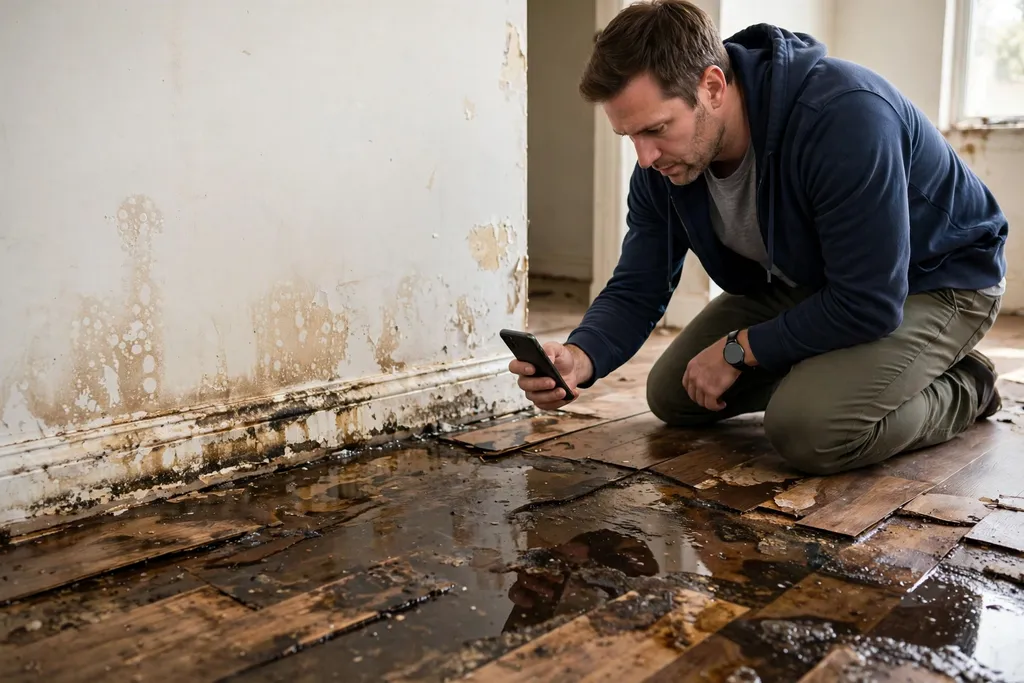
Homeowners usually seek this help right after discovery: the floor is warm, the meter is spinning, or a plumber has just confirmed a leak under the slab - and now there is a claim number to feed with evidence. The most valuable documentation is gathered in the first 48 hours: photos of damage, meter readings, the detection report, and a written timeline. In Lawndale 90260, the documentation clock starts at discovery: photograph the damage before anything is cleaned or dried, note the date and time, and keep the water bill showing the spike. Small 1950s lots with short pipe runs mean fast, affordable jobs - but 57 percent renter occupancy means leaks are reported late, after flooring and drywall damage.
How Slab Leak Insurance Claim Help Works on a Lawndale Property
The process starts with a discovery call about what happened and what the policy situation looks like. Then comes a documentation checklist tailored to the home: photos and video of every affected area, moisture and thermal readings where available, the leak-detection report, repair estimates, and receipts for emergency mitigation like water shutoff or drying. Everything is organized into a claim file the homeowner can hand to their adjuster. For a Lawndale 90260 homeowner, the checklist is built around your specific situation - the home's era (lawndale, the heart of the south bay - most homes built in the 1950s on small lots, with 57 percent renter occupancy), the damage observed, and where you stand with your insurer. With most residents renting, the leak reporter and the repair authorizer are often different people - clear photo documentation bridges that gap.
90260 Soil, Water and Pipe Facts Behind Local Slab Leak Insurance Claim Help Calls
Lawndale 90260 sits on Flat 1.97-square-mile city at about 59 feet elevation with alluvial soils. Mediterranean climate with November-to-March rain. Homes here: Lawndale, the Heart of the South Bay - most homes built in the 1950s on small lots, with 57 percent renter occupancy. Pipe underneath: 1950s copper and galvanized; cast-iron drains. Slab-on-grade prevalence is Very high. The key local fact for slab leak insurance claim help: Small 1950s lots with short pipe runs mean fast, affordable jobs - but 57 percent renter occupancy means leaks are reported late, after flooring and drywall damage. Slab-leak work here often pairs with mold remediation scope. On the ground that means: With most residents renting, the leak reporter and the repair authorizer are often different people - clear photo documentation bridges that gap. And for reference: Short pipe runs make Lawndale one of the most economical places in the service area for a full reroute - when the 1950s copper starts failing, replacing the run beats chasing pinholes.
Your First-48-Hours Documentation Checklist in Lawndale 90260
The first-48-hours checklist for Lawndale 90260: (1) Photograph and video every affected area before cleanup - floors, walls, baseboards, the water's path - with dates. (2) Write the timeline: when you first noticed, what you saw, when you shut the water off. (3) Save the water bill showing the spike and note meter readings. (4) Get the leak-detection report in writing - small 1950s lots with short pipe runs mean fast, affordable jobs - but 57 percent renter occupancy means leaks are reported late, after flooring and drywall damage. (5) Keep receipts for everything: emergency plumber, water shutoff, drying equipment, temporary repairs. (6) Don't discard the failed pipe section - photograph it and keep it. Organized early, this file answers the adjuster's questions before they're asked.
Your First Call: What to Expect in Lawndale
When you call (833) 713-2101, here's what happens. First, we confirm you're in our Lawndale 90260 service area and listen to what you're seeing - the symptoms, the timeline, any detection already done. Then we match you with a local slab-leak specialist experienced with slab leak insurance claim help and the Heart of the South Bay properties. Slab Leak Repair Experts is a referral service: we connect you with the local specialist, who handles the visit, the diagnosis, and the work directly with you. Request your callback at (833) 713-2101 at (833) 713-2101 - the call costs nothing and the guidance is straightforward.
Suspect a Slab Leak? Talk to a Specialist Today
One call connects you with a local slab leak professional serving Rancho Palos Verdes, CA — day or night.
Call (833) 713-2101Frequently Asked Questions
What should I photograph first after discovering a slab leak in my Lawndale home?
Before anything is cleaned, dried, or moved: wide shots of every affected room, close-ups of damage - buckled flooring, wet baseboards, stains - the water's visible path, and the water meter and any readings. In 90260, also photograph the failed pipe section once exposed, and keep the section itself. Small 1950s lots with short pipe runs mean fast, affordable jobs - but 57 percent renter occupancy means leaks are reported late, after flooring and drywall damage. Dated photos taken before mitigation are the backbone of the file; everything else supports them.
What goes into a complete slab-leak claim file in 90260?
The full kit: dated photos and video of all damage before cleanup; a written timeline from first symptom through water shutoff; the electronic leak-detection report; meter readings and the spiked water bill; receipts for every mitigation expense - emergency plumber, drying equipment, temporary repairs; repair estimates; and the failed pipe section, photographed and kept. In Lawndale, add the local context: Short pipe runs make Lawndale one of the most economical places in the service area for a full reroute - when the 1950s copper starts failing, replacing the run beats chasing pinholes. A complete file handed over at once moves faster than evidence dribbled out over weeks.
How does documentation differ for a rental property in Lawndale?
The discovery story carries extra weight. Document when the leak was discovered, by whom, what was visible at discovery, and what was done immediately - because with 1950s copper and galvanized; cast-iron drains. and 90260's housing mix, late discovery is common and adjusters scrutinize it. Keep the tenant's report, the owner's response timeline, and all mitigation receipts. With most residents renting, the leak reporter and the repair authorizer are often different people - clear photo documentation bridges that gap. The file must show prompt action from the moment of discovery, even if the leak itself ran longer unknown.
What should I photograph first after discovering a slab leak in my Lawndale home?
Before anything is cleaned, dried, or moved: wide shots of every affected room, close-ups of damage - buckled flooring, wet baseboards, stains - the water's visible path, and the water meter and any readings. In 90260, also photograph the failed pipe section once exposed, and keep the section itself. Small 1950s lots with short pipe runs mean fast, affordable jobs - but 57 percent renter occupancy means leaks are reported late, after flooring and drywall damage. Dated photos taken before mitigation are the backbone of the file; everything else supports them.