Slab Leak Repair in Harbor City, CA 90710
In Short
Harbor City, CA 90710 is a compact 2.3-square-mile community of 1970s homes and multifamily buildings on harbor-plain ground with a high water table. If your water bill has spiked or multiple units show dampness, the first step is simple: call (833) 713-2101 and get connected with an independent local specialist.
Slab Leak Repair in Harbor City, CA 90710: 1970s Copper, Multifamily Mix
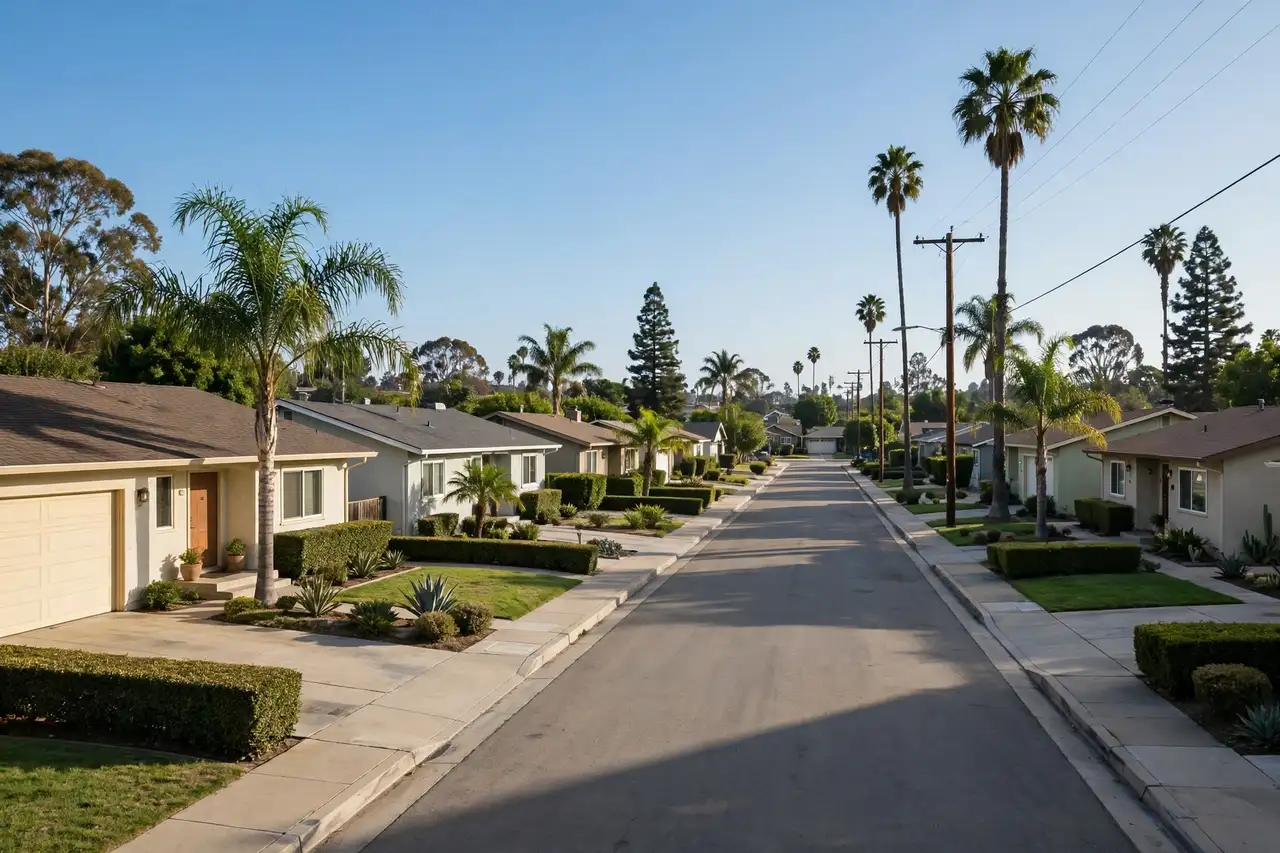
Harbor City packs a lot into 2.3 square miles: most homes built in the 1970s, a mix of single-family houses and multifamily buildings, on the flat harbor plain between the port and the Peninsula. Copper supply lines from the 1970s run beneath slab-on-grade foundations, with ABS drains, and slab prevalence is very high. The 1970s copper is younger than the 1950s stock nearby, but it is now 50-plus years into service, old enough for pinhole failures, especially where the high water table keeps the soil saturated.
Two local factors define the work. The first is the water table: harbor-plain alluvium stays damp near the port, accelerating exterior copper corrosion and masking small leaks, because saturated ground shows no new wet patch when a pipe starts weeping. The second is the multifamily mix: in a duplex or small apartment building, one slab leak can affect multiple units, and detection must map shared versus dedicated lines before anyone authorizes concrete work.
Harbor City will not match the 1950s tracts for failure frequency, but the combination of 50-year-old copper, wet ground, and multifamily buildings keeps the specialists busy. If your bill has spiked or dampness is spreading across units in a 90710 property, Call (833) 713-2101 and mention the building type. You will be connected with an independent local specialist who maps the lines before touching the slab.
High Water Table and Damp Alluvium in 90710
Harbor City sits on flat coastal-plain alluvium, young sandy and silty soils with the water table running high near the harbor. Under-slab copper here lives in persistently damp ground. Constant soil moisture accelerates exterior pitting while interior water chemistry works from the inside, and the two meet years earlier than they would in drier soil. For 1970s copper at 50-plus years, that wet environment is the difference between a pipe with a decade left and a pipe failing now.
Rain falls November through March and saturates the already-damp alluvium, adding masking moisture on top of masking groundwater. Homeowners and managers here cannot rely on visual clues: by the time a harbor-plain leak surfaces, it has been running long enough to matter. The bill and the pressure gauge are the instruments that count.
The diagnostic consequence is that meter testing and pressure isolation carry the load in 90710. They prove a leak exists and identify its branch even when the ground gives nothing away. Ask a Pro at (833) 713-2101 about how a high-water-table detection visit is weighted toward the tests wet soil cannot fool.
PCH to Normandie: Getting Around 90710
The 90710 grid runs on Pacific Coast Highway, Vermont Avenue, Normandie Avenue, and 257th Street. Ken Malloy Harbor Regional Park provides the green center, with its lake and open space drawing the neighborhood outdoors. LAUSD schools serve the residential blocks. The housing along these corridors is the 1970s mix: single-family homes and multifamily buildings side by side on the compact 2.3-square-mile footprint.
That compactness means density: shared driveways, close neighbors, limited staging, and buildings where one slab serves multiple households. A service visit here often involves coordinating across units, which is worth mentioning when scheduling so the technician arrives with a plan for access rather than discovering the constraints on site.
When you Book Service at (833) 713-2101, give the cross streets, the building type, and which units show symptoms. On a multifamily building, that unit-by-unit symptom map is the most valuable briefing the specialist can get.
How Slab Leak Detection Works in Harbor City's 90710 Buildings
Detection in Harbor City starts with the meter and leans on isolation, with the multifamily map as the extra layer. Everything off, watch the meter: movement means water is leaving the pressurized system. Shut the building main to separate the yard service line from the under-slab plumbing. Isolate the water heater to split hot from cold. In multifamily buildings, the isolation sequence also establishes which lines serve which units, because the repair location and the cost responsibility both follow from that map.
Acoustic surveying contends with groundwater noise: saturated soil conducts sound and raises the noise floor. Correlators and pressure testing carry extra weight for exactly that reason, pinpointing the branch independently of acoustics. Thermal imaging traces hot-line leaks through the floor. Two methods confirm before anything is marked, and the findings go into a written report with the line map attached.
The 1970s copper gets a condition read, not just a location. Fifty-year-old copper in saturated soil deserves a hard look at the surrounding pipe, because that finding decides between spot repair and reroute. Slab leak detection in 90710 ends with a location, a line map, and a condition assessment.
Repair Options in 90710: Condition, Ground, and Tenants
A single pinhole in otherwise sound 1970s copper is a spot-repair case: open a small section at the marked location, replace the failed segment, restore the concrete and flooring. But saturated soil ages pipe faster, so the surrounding copper's condition is the real question. If it shows widespread thinning, rerouting, abandoning the under-slab run for a new line through the structure, removes the pipe from the wet ground entirely and is often the better long-term value.
Under-slab tunneling preserves interior floors where finishes matter, accessing the pipe from outside the foundation. Trenchless rehabilitation can renew a qualifying line with minimal excavation in the damp alluvium. In multifamily buildings, repairs get sequenced around tenants: shutoffs are scheduled, units are notified, and service is restored fast.
Quotes should reference the marked location, the line map, and the written findings. A quote that does not account for which units share the failed line is incomplete. Contact Us Now at (833) 713-2101 to discuss the repair path for your building's configuration.
Warning Signs Harbor City Owners Should Not Ignore
In 90710, the water bill is the leak detector. Damp ground masks small leaks, so watch for a bill climbing over consecutive cycles with no usage change. Running-water sounds with everything off, warm floor spots, a water heater cycling constantly, damp carpet, and dropping fixture pressure round out the list. In multifamily buildings, watch across units: a warm floor in one unit and a damp wall in the neighbor's, or a shared-meter bill that jumps while individual usage looks normal.
Document per unit from the first sign. Dated photos of each unit's symptoms, the shared-meter bills showing the increase, and a timeline of when each symptom appeared: that record focuses the detection visit and supports any insurance paperwork. Managers who track bills quarterly catch these leaks months earlier than managers who wait for tenant complaints.
Do not wait for visible water in ground this damp. By the time a harbor-plain leak surfaces, the secondary damage is already underway. Get Help Now at (833) 713-2101 if the bill, the pressure, or the units tell a story that does not add up.
Your First Step: Call and Get Connected
When you call (833) 713-2101, you reach a referral service that connects you with an independent local slab leak specialist serving Harbor City's 90710 neighborhoods. Have the building type, the era, the symptom timeline, and the unit-by-unit symptom map ready. For multifamily, coordinate access across affected units before the visit.
The visit runs meter testing, building-main and water-heater isolation with the line map, acoustic and correlator work weighted for saturated ground, and confirmation before marking. You receive a written findings report with the leak's location, the line map, and the surrounding pipe's condition, then repair options matched to the building. If water is actively damaging the property, say so and the visit is prioritized through emergency slab leak repair.
Multifamily slab leaks need a mapped diagnosis, not a guessed one. Talk to a Specialist at (833) 713-2101 and get the lines mapped properly.
What Affects the Cost of Slab Leak Work in Harbor City, 90710
Harbor City costs run through two local facts: 1970s copper in saturated harbor-plain soil, and a multifamily building mix where one leak can affect several units. The five variables, diagnosis, method, access, finishes, restoration, all get filtered through the water table and the building type.
Detection is instrument-weighted because the ground will not cooperate. Saturated soil conducts sound and masks visual clues, so the visit leans on meter testing, pressure isolation, and correlators, which take longer than clean acoustic work but cannot be fooled by wet ground. In multifamily buildings, the isolation sequence doubles as a line map, shared versus dedicated lines, and that mapping is billable diligence that prevents far more expensive mistakes.
The repair decision hinges on the surrounding pipe's condition in a corrosive environment. Fifty-year-old copper in constantly damp soil deserves a harder look than the same pipe would inland: a single pinhole in sound pipe is a spot repair, but widespread thinning means rerouting the run out of the wet ground entirely. The condition read, in writing, is what justifies the choice, so insist on it.
Multifamily coordination is the access variable here rather than grade or distance. Mapping the lines, scheduling shutoffs across units, notifying tenants, and restoring service fast are real hours, and they are what keep one leak from becoming a building-wide disruption. Get the line map in the written findings report before anyone discusses concrete.
Secondary damage follows the harbor-plain rule: masked leaks run longer, longer means more restoration. The cost lever is early testing at the first bill spike, not the first visible puddle. Book Service at (833) 713-2101 and get the mapped, condition-assessed diagnosis this building type requires.
When a Slab Leak Can't Wait in Harbor City, 90710
Harbor City's emergency slab leak is water actively coming through the floor or appearing in more than one unit of a multifamily building. Because one leak can affect several households here, the emergency protocol includes communication: the affected units need to know the water is going off, and the owner needs the unit-by-unit picture documented from the first minutes.
Stop the water at the building main: garage, exterior wall, or ground-level box near the meter, turned clockwise, with the meter-side curb shutoff as backup. Know in advance whether the building has a master shutoff or per-unit valves; that single fact determines whether one unit or the whole building loses water during the emergency. Older gate valves seize, so verify them during routine maintenance.
Photograph each affected unit with timestamps, move belongings off wet areas, and notify tenants of the shutoff and the plan. Then call (833) 713-2101 as an emergency: describe the active flow, the building type, and which units are affected. The emergency slab leak repair visit stops the damage and documents the line map; full detection and sequenced repairs follow once the situation is stable and tenants are informed.
Suspect a Slab Leak? Talk to a Specialist Today
One call connects you with a local slab leak professional serving Rancho Palos Verdes, CA — day or night.
Call (833) 713-2101