Electronic Slab Leak Location in Torrance 90505, CA
Electronic Slab Leak Location in Torrance 90505, CA — pinpoint electronic location of a suspected under-slab leak — acoustic sensors, line tracing, and infrared imaging that mark the break within inches.
In Short
Electronic Slab Leak Location in Torrance 90505, CA — pinpoint electronic location of a suspected under-slab leak — acoustic sensors, line tracing, and infrared imaging that mark the break within inches. Serving the 90505 ZIP: electronic line tracing, acoustic pinpointing, thermal cross-check. First step when you call (833) 713-2101: reviewing what's already confirmed, then scheduling.
What the Pinpointing Visit Looks Like in Torrance (90505)
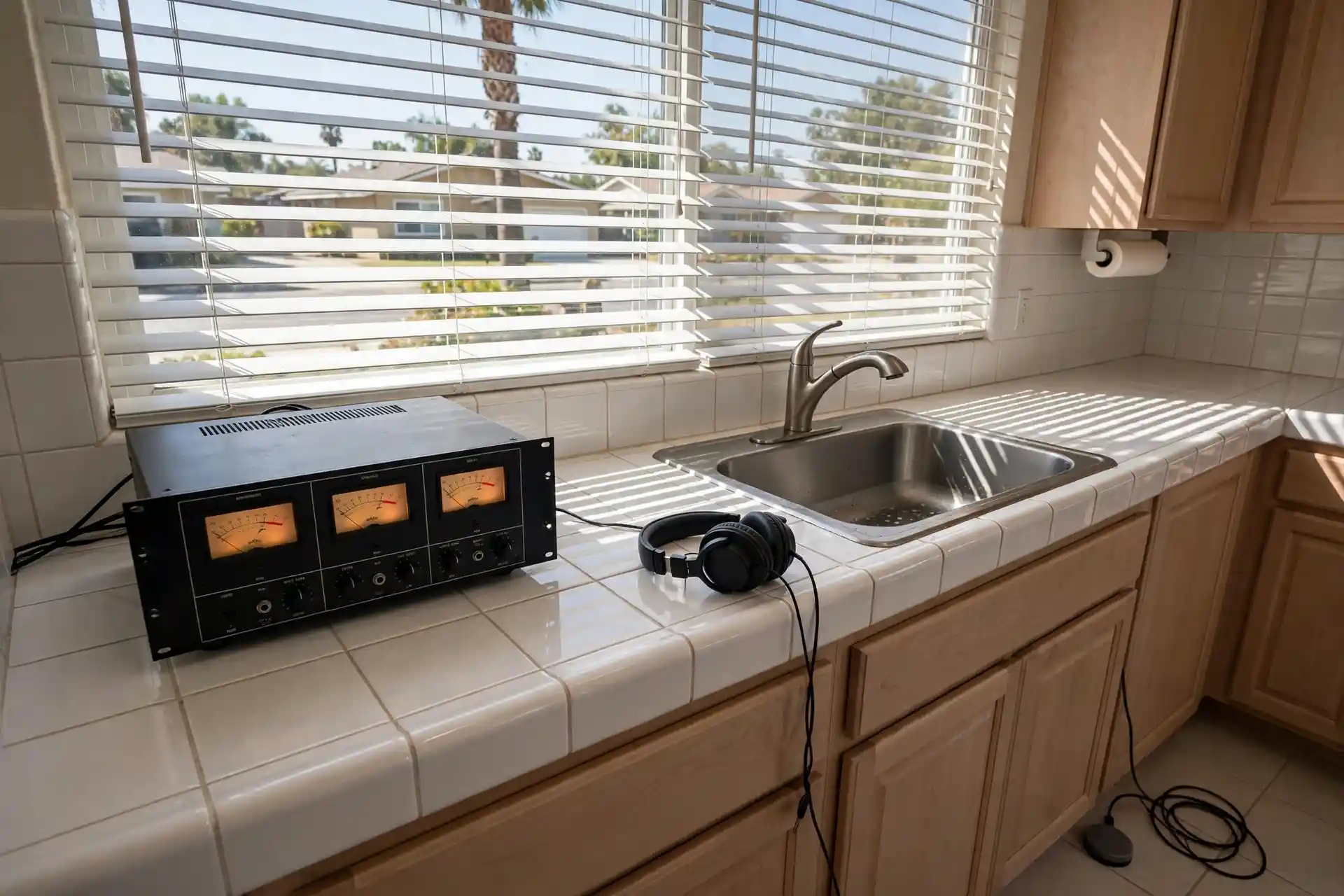
A location visit in Torrance is quiet, technical work — headphones, sensors, and a marked floor at the end. Here's how it runs, and what 90505's ground conditions change about each step.
Getting Ready for the Pinpointing Visit in 90505
Clear the rooms above the suspected pipe run before we arrive — furniture a few feet off the walls, rugs rolled where the listening happens. We need access to the water heater and the main shutoff too. if your lot is terraced or your slab steps with the grade, mention it when you call — it changes the access planning
Expect a quiet house to work best: the acoustic sensors hear everything, including footsteps and appliances. We'll ask for the HVAC and laundry to stay off during the listening pass. It feels fussy; it's the difference between a mark you can trust and a guess. Still unsure whether it's a slab leak? That's exactly what the call is for: (833) 713-2101.
Local Notes for Torrance 90505
The 90505 ZIP covers South Torrance: the Hillside area with its view lots, Southwood Riviera, and the 1950s–60s ranch and split-level tracts along Anza Avenue, Calle Mayor, and Pacific Coast Highway. The grade rises toward the Palos Verdes Peninsula, and the lots terrace with it — retaining walls, stepped slabs, and concentrated runoff are the local vernacular. Slab-on-grade is the norm but stepped, not flat; copper supply lines from the 1950s–60s run underneath with cast-iron drains.
On a terraced 90505 lot, two things matter more than on flat ground. First, learn where your water goes downhill — a leak's damage shows up in the rooms below the break, sometimes a full terrace down, so don't assume the wet room is the leak room. Second, winter runoff at retaining walls is normal and not a leak; the meter test is what separates hillside water from pipe water. If your slab steps with the grade, say so when you call (833) 713-2101 — access planning starts there.
How this works: you call our line, we match you with a slab-leak specialist who serves 90505 — no fee for the call itself. Questions about electronic slab leak location in the 90505 ZIP? Call (833) 713-2101.
Leak Detection Across Stepped Slabs in South Torrance
South Torrance's hillside lots turned flat slabs into stepped construction — multiple pours at different elevations, joined at cold joints. Electronic detection must work across those steps, and elevation changes readings. Acoustic signals traveling uphill arrive weaker than those traveling down; correlator math needs adjustment for depth changes; sensors must couple to each step separately, since vibration doesn't cross cold joints. A leak at a step joint — where pipes bend to follow grade — can sound like it's coming from either level until readings are reconciled.
Hillside water movement is the constant alternate suspect in 90505. Terraced lots shed winter rain fast, and runoff concentrating at retaining walls can push moisture under slab edges, mimicking supply-line leaks. The sequence therefore pairs every electronic reading with pressure proof: only a line that demonstrably loses pressure gets acoustic treatment. Moisture-meter profiling helps too — hillside seepage wets the uphill slab edge broadly, while a pipe leak makes a tighter signature centered on the line. Telling them apart before cutting concrete is the visit's top value.
Access complexity is why precision matters so much on stepped lots. Tunneling and rerouting around elevation changes costs more than on flat ground, so a mark off by two feet complicates the repair. The 90505 detection report typically notes which slab step holds the leak and the line's depth — details letting the repair crew plan the opening without exploratory work. With 1950s-1960s copper at failure age across these hillside tracts, the homes faring best are those where the leak was found precisely the first time.
Suspect a Slab Leak? Talk to a Specialist Today
One call connects you with a local slab leak professional serving Rancho Palos Verdes, CA — day or night.
Call (833) 713-2101Frequently Asked Questions
What is a stepped slab, and why does it matter?
On terraced hillside lots, the slab isn't one flat plane — it steps down with the grade, with each section at a different elevation. That matters because pipe runs step too, repair access has to account for the elevation changes, and tunneling or rerouting gets geometrically more complex. Electronic Slab Leak Location in 90505 always maps the steps: the electronic trace follows the grade, not just the floor plan. Mention the terracing when you call (833) 713-2101.
Can hillside runoff really look like a slab leak?
Convincingly. Terraced lots shed winter rain fast, and concentrated runoff at retaining walls can push moisture under slab edges — damp floors, musty smells, the whole performance. The difference is the pressure gauge: runoff can't make an isolated hot or cold side lose pressure. Electronic Slab Leak Location in 90505 runs the pressure test precisely to draw that line. If it's the hill, not the pipe, we'll say so.
Why is tunneling harder on terraced lots?
Tunneling goes in from outside and under the slab — on a flat lot that's a straight shot, but on a terraced lot the tunnel has to navigate grade changes, retaining-wall footings, and stepped slab edges. It's still done, but the access planning is real work. That's part of why Electronic Slab Leak Location precision matters more here: a good mark can mean the difference between a feasible tunnel and a reroute decision.
My downstairs room is wet but the upstairs is dry. Where's the leak?
Possibly upstairs — or more precisely, uphill. On terraced lots water follows the grade downhill through the structure, so the damage room and the leak room are often a terrace apart. Electronic Slab Leak Location doesn't assume the wet room is the source room; the meter, pressure, and sensors trace back uphill to the actual break. Don't let a contractor open the wet room's slab on guesswork alone.
What's the difference between leak detection and electronic location?
Detection answers "is there a leak, and on which line" — meter tests, pressure isolation, a general area. Electronic location answers "exactly where" — traced pipe path, acoustic pinpoint, thermal confirmation, a mark on the floor. In Torrance, most jobs need both in sequence: detection first to prove the leak, location second to aim the repair. If you've already got a confirmed leak, you can start at location.
Does electronic location work under tile and wood floors?
Yes — the sensors read through standard floor coverings, and thermal imaging actually reads surface temperature, so tile and stone show the anomaly well. Thick engineered wood and some underlayments muffle the thermal signal, which is why we never rely on one method alone. Whatever's on your Torrance floors, the acoustic pass still hears through it.
After you mark the spot, do I still have to open the slab?
Almost always, yes — but the opening is targeted: a small, deliberate cut at the mark rather than a exploratory trench. The alternative the mark enables is skipping the slab entirely: rerouting the line overhead through walls or attic. 1950s–60s ranch and split-level homes, many with stepped slabs on terraced lots, and the location report lays out which path makes sense for your lot and floor plan.