Winter Rain and Slab Leaks: Why the Wet Season Exposes Hidden Leaks
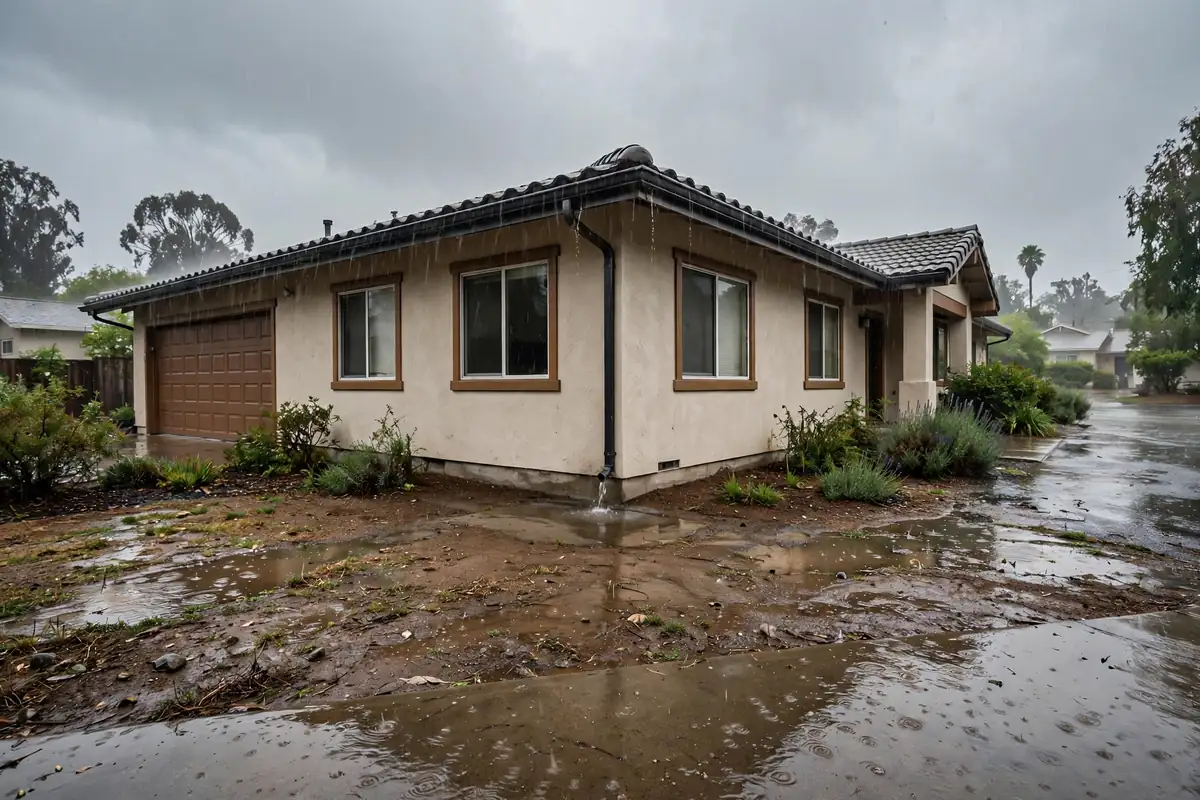
Southern California's rainy season, roughly November through March, changes the underground environment around your home in ways that matter for slab plumbing. Soil that spent the dry months hard and shrunken swells with moisture, groundwater levels rise, and water finds every weak point it can reach. For Rancho Palos Verdes homeowners, winter is the season when hidden slab leaks most often reveal themselves, and also when new leaks are most likely to begin. Understanding why rain and slab leaks are connected helps you watch for trouble at exactly the right time of year.
How Winter Rain Stresses Underground Pipes
During the long dry season, the soil beneath and around your foundation shrinks and settles, and pipes buried in that soil settle with it. When winter rains arrive, the ground swells unevenly, and saturated soil is far heavier than dry soil. That cycle of shrinking and swelling flexes buried water lines, stressing joints, fittings, and any section of pipe already thinned by corrosion. In hillside areas of the Peninsula, rainwater also moves laterally through slopes, pushing against foundation walls and the soil packed around under-slab lines. A copper line that survived ten dry years can develop its first pinhole during the first truly wet winter, simply because the ground around it finally moved.
Why Existing Leaks Get Worse in Winter
If a small leak already exists, winter conditions amplify its effects. Escaping water that previously evaporated or drained away now joins already-saturated soil, so moisture migrates upward through the slab more readily and damp spots appear where none were visible in summer. Cooler air also means less evaporation from floors and baseboards, so dampness lingers and becomes noticeable. Homeowners often report that a musty smell they barely noticed in August becomes unmistakable in January. The leak did not necessarily grow; the season simply removed the dry conditions that were hiding it. This is why {slab leak detection, /slab-leak-detection/} calls rise each winter across the South Bay.
Saturated Soil and Hydrostatic Pressure
When soil around a foundation becomes fully saturated, it exerts hydrostatic pressure against the slab and stem walls. Water under pressure seeks any path through concrete, including shrinkage cracks, the cold joint where the slab meets the footing, and penetrations where pipes pass through. This pressure can push groundwater up through the slab even where no pipe has failed, which creates a diagnostic puzzle: is the damp spot a slab leak or just rainwater intrusion? The distinction matters because the fixes are completely different. A pressure test on the plumbing lines answers the question definitively. If the lines hold pressure, the moisture is coming from outside; if a line loses pressure, you have a leak that the wet season merely exposed.
Cold Water and Thermal Contraction
Winter brings another, subtler stress: colder incoming water. Municipal water arriving at your home can drop significantly in temperature during winter months, and metal pipes contract as they cool. That contraction tugs at joints and fittings, particularly where copper meets brass or where lines pass through tight slab penetrations with no room to move. The effect is small per degree, but repeated daily cycles of contraction as cold water flows, then warming as the house heat reaches the lines, add up over a season. Older soldered joints in 1960s-era Rancho Palos Verdes plumbing are the most vulnerable to this slow thermal fatigue.
Storm-Related Plumbing Events
Major winter storms bring their own hazards. Shifting saturated soil can shear a line at the point where it enters the house through the foundation, a spot already stressed by the transition from soil-supported pipe to rigid penetration. Falling branches and saturated landscaping can damage exterior hose bibs and irrigation connections, and the resulting pressure changes propagate through the system. After any significant storm, walk your property and check for new soggy areas, listen for running water with fixtures off, and glance at your water meter. Post-storm checks take ten minutes and catch problems while they are still small.
What to Watch For This Rainy Season
Make winter your annual slab-leak awareness season. Each month from November through March, do a quick routine: compare your water bill to the same month last year, walk barefoot across tile floors feeling for new warm spots, check baseboards and the bottoms of drywall in ground-floor rooms for dampness or discoloration, and stand quietly for a minute with everything off listening for hissing. Pay special attention after the first heavy rain and again in late winter when soils are at maximum saturation. If anything seems off, a {professional electronic detection visit, /electronic-slab-leak-location/} will tell you definitively whether your plumbing or the weather is responsible.
Preparing Your Plumbing Before the Rains
A few pre-season steps reduce winter risk. Know where your main shutoff valve is and confirm it turns freely before you need it in an emergency. If your home has a pressure regulator, have the static pressure checked; excessive pressure strains every joint in the system and winter's thermal cycling makes it worse. Clear gutters and grade soil away from the foundation so roof runoff does not pond against the slab. And if you have ever suspected a leak but never confirmed it, schedule detection in the fall, when dry soil makes acoustic signals cleaner and any repair can be completed before the ground turns to mud.
When to Call During Winter
Do not wait for spring to investigate winter symptoms. A leak that surfaces in January will keep eroding soil and damaging floors through March, and the saturated ground makes every week of delay more destructive. Do not wait for spring to investigate: calling (833) 713-2101 connects you with an independent local slab leak specialist serving Rancho Palos Verdes and the surrounding South Bay communities, who can distinguish rainwater intrusion from a true pipe failure and lay out repair options suited to winter conditions. Acting during the rainy season, when symptoms are clearest, often leads to the most accurate diagnosis.
Suspect a Slab Leak? Talk to a Specialist Today
One call connects you with a local slab leak professional serving Rancho Palos Verdes, CA — day or night.
Call (833) 713-2101Frequently Asked Questions
Can winter rain actually cause a slab leak?
Yes. The shrink-swell cycle of soil between dry and wet seasons flexes buried pipes and stresses joints and corroded spots. A line weakened over years can develop its first pinhole during a wet winter. Saturated soil also makes existing small leaks visible for the first time as damp spots and odors.
How do I tell a slab leak from rainwater seeping through the slab?
Check whether your plumbing holds pressure. If an isolated line loses pressure, you have a pipe leak; if all lines hold, the moisture is likely groundwater intrusion driven by hydrostatic pressure. A detection specialist can run this test definitively. Call (833) 713-2101 to be connected with a local specialist in Rancho Palos Verdes.
What should I check each month during the rainy season?
Do a quick monthly routine: compare the water bill to the same month last year, feel tile floors for warm spots, check baseboards for dampness, and listen for running water with everything off. Do this after the first heavy rain and again in late winter when soils are most saturated.
Do winter storms damage plumbing directly?
Falling branches can damage hose bibs and exterior connections, shifting saturated soil can shear lines where they enter the foundation, and pressure fluctuations stress old joints. Walk the property after major storms, check the meter with fixtures off, and listen inside for new hissing sounds.
Is fall a good time to schedule leak detection?
Yes, and it is often the best time. Symptoms are clearest when soils are saturated, which aids diagnosis, and confirming a suspected leak in fall means any repair can be scheduled before the heaviest rains. Detection equipment works year-round.