Water Pressure and Pipe Failure: The Invisible Force Under Your Slab
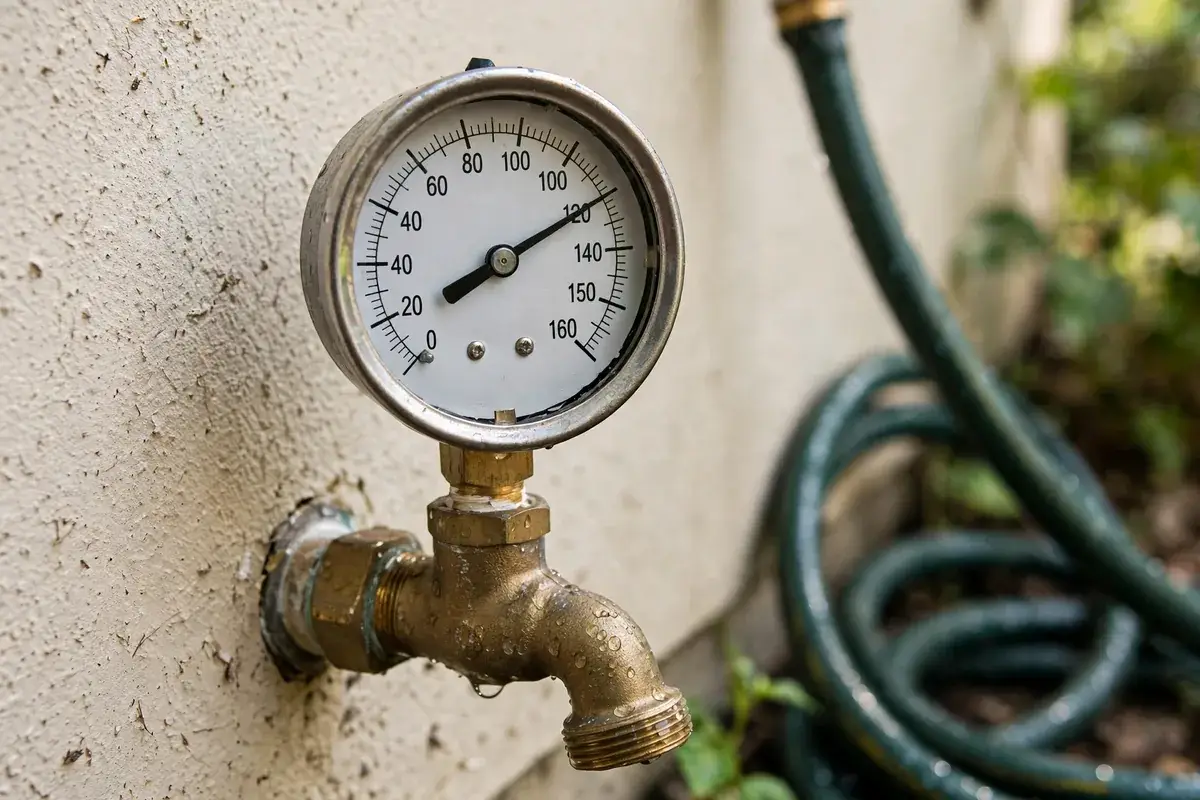
Water pressure is one of the most overlooked forces acting on your home's plumbing. It is invisible, constant, and when it runs too high, it shortens the life of every pipe, joint, valve, and appliance in the system, including the lines buried under your slab. Many Rancho Palos Verdes homeowners have no idea what their water pressure actually is, yet excessive pressure is a documented contributor to pipe failures, pinhole leaks, and fitting blowouts. This article explains how pressure damages pipes, what normal looks like, and what you can do about it.
How Excess Pressure Damages Pipes
Every plumbing component is rated for a maximum working pressure, and sustained pressure above design levels accelerates every failure mechanism. High pressure increases the mechanical stress on pipe walls and joints around the clock, turning minor corrosion pits into pinholes faster and stressing soldered fittings until they weep. It amplifies water hammer, the shock wave created when a faucet or valve closes suddenly, which slams joints with repeated impact loading. Under the slab, where you cannot see or hear these effects, high pressure quietly converts a line with years of remaining life into a line living on borrowed time. Pressure does not corrode pipe by itself, but it makes every other weakness fail sooner.
What Normal Pressure Looks Like
Residential water pressure is measured in pounds per square inch, and the generally accepted healthy range is roughly 40 to 60 psi, with many plumbing professionals considering anything consistently above 80 psi excessive. Municipal supply pressure varies by elevation and distance from pumping stations, and hillside communities like Rancho Palos Verdes can see significant variation from one street to another. Homes at lower elevations relative to the supply, or close to a main, often receive higher pressure. The only way to know yours is to measure it; pressure is not something you can reliably judge by how the shower feels.
How to Check Your Own Pressure
Checking takes five minutes and a ten-dollar gauge. Buy a water pressure gauge with a hose-thread fitting at any hardware store, attach it to an outdoor hose bib or the water heater drain valve, and make sure no water is running anywhere in the house. Open the bib fully and read the static pressure. For a fuller picture, leave the gauge on overnight; some gauges have a telltale needle that records the peak. Nighttime pressure often runs higher because municipal demand drops, and thermal expansion from your water heater can spike pressure further when no water is being used. A reading consistently above 80 psi, or large swings between day and night, warrants attention.
The Pressure Regulator: Your System's Guardian
Most homes have a pressure-reducing valve, usually a bell-shaped device on the main line where it enters the house. Its job is to step municipal pressure down to a safe household level. Regulators wear out, typically over 10 to 15 years, and a failed regulator passes full street pressure straight into your home. Symptoms of regulator failure include suddenly forceful fixtures, toilets that run or refill oddly, water heater relief valves dripping, and, over time, pipe and fitting failures. If your home is decades old and the regulator is original, its condition is worth checking as part of any plumbing assessment. A {slab leak specialist, /slab-leak-detection/} will often check static pressure during a detection visit because it informs both diagnosis and repair planning.
Thermal Expansion: The Hidden Pressure Spike
Even with normal street pressure, a closed plumbing system can develop dangerous spikes. When your water heater warms a tank of cold water, the water expands, and if check valves or backflow preventers stop that expanded water from pushing back into the municipal main, pressure inside your home climbs. Without an expansion tank to absorb it, these daily spikes hammer every joint in the system, including under-slab lines. If your pressure gauge shows big jumps after the water heater runs, or the temperature-and-pressure relief valve drips periodically, thermal expansion is likely at work. An expansion tank at the water heater is the standard remedy.
Pressure and Slab Leaks: The Connection
Under-slab lines already endure corrosion, soil stress, and thermal cycling; excessive pressure is the multiplier that pushes marginal pipe over the edge. In Rancho Palos Verdes homes with aging copper, the pinhole that appears this year instead of five years from now often has high pressure as an accomplice. This is also why pressure control matters after a repair: fixing the leak without addressing 100-psi supply pressure leaves the new work and the remaining old pipe under the same assault that caused the failure. Any competent {repair plan for a pressure-related failure, /copper-pipe-slab-leak-repair/} should include verifying and, if needed, correcting the home's pressure.
Taking Control of Your Pressure
Start by measuring, since you cannot manage what you do not know. If readings are high, have the regulator inspected and adjusted or replaced. Make sure an expansion tank is present and functional at the water heater. Avoid cranking the regulator up to get a stronger shower; that tradeoff sacrifices pipe lifespan for comfort. And if you have experienced a slab leak, ask the specialist whether pressure played a role, because the answer shapes whether your repair should include pressure correction. A call to (833) 713-2101 reaches an independent local slab leak specialist serving Rancho Palos Verdes who checks pressure as a matter of course and will tell you honestly whether yours is helping destroy your pipes who checks pressure as a matter of course on every visit.
Suspect a Slab Leak? Talk to a Specialist Today
One call connects you with a local slab leak professional serving Rancho Palos Verdes, CA — day or night.
Call (833) 713-2101Frequently Asked Questions
How do I check my home's water pressure?
Attach a hose-thread pressure gauge to an outdoor hose bib with no water running anywhere in the house. Readings consistently above 80 psi are considered excessive for residential plumbing. For a fuller picture, use a gauge with a peak-hold needle overnight, since pressure often climbs when municipal demand drops.
Can high water pressure cause slab leaks?
High pressure does not corrode pipe by itself, but it accelerates every other failure mechanism: it stresses joints continuously, amplifies water hammer shock, and turns minor corrosion pits into pinholes sooner. Under-slab lines already face corrosion and soil stress, so excessive pressure acts as a multiplier on all of it.
What is a pressure regulator and how do I know it failed?
A bell-shaped device on the main line where water enters the house, usually near the shutoff. It steps municipal pressure down to safe household levels. Regulators typically last 10 to 15 years; a failed one passes full street pressure into your home. Suddenly forceful fixtures or a dripping relief valve are common symptoms.
What is thermal expansion and why does it matter?
When the water heater warms water in a closed system with check valves or backflow preventers, the expanding water has nowhere to go and household pressure spikes. An expansion tank at the water heater absorbs this. Signs include large pressure jumps after the heater runs or a periodically dripping relief valve.
What should I do about high water pressure?
Measure first with a gauge. If pressure is high, have the regulator inspected, adjusted, or replaced, and verify an expansion tank is installed and working at the water heater. After any slab leak repair, confirm pressure is in a healthy range so the remaining pipe is not under the same assault that caused the failure.