Summer Heat and Slab Expansion: The Warm-Weather Side of Slab Leaks
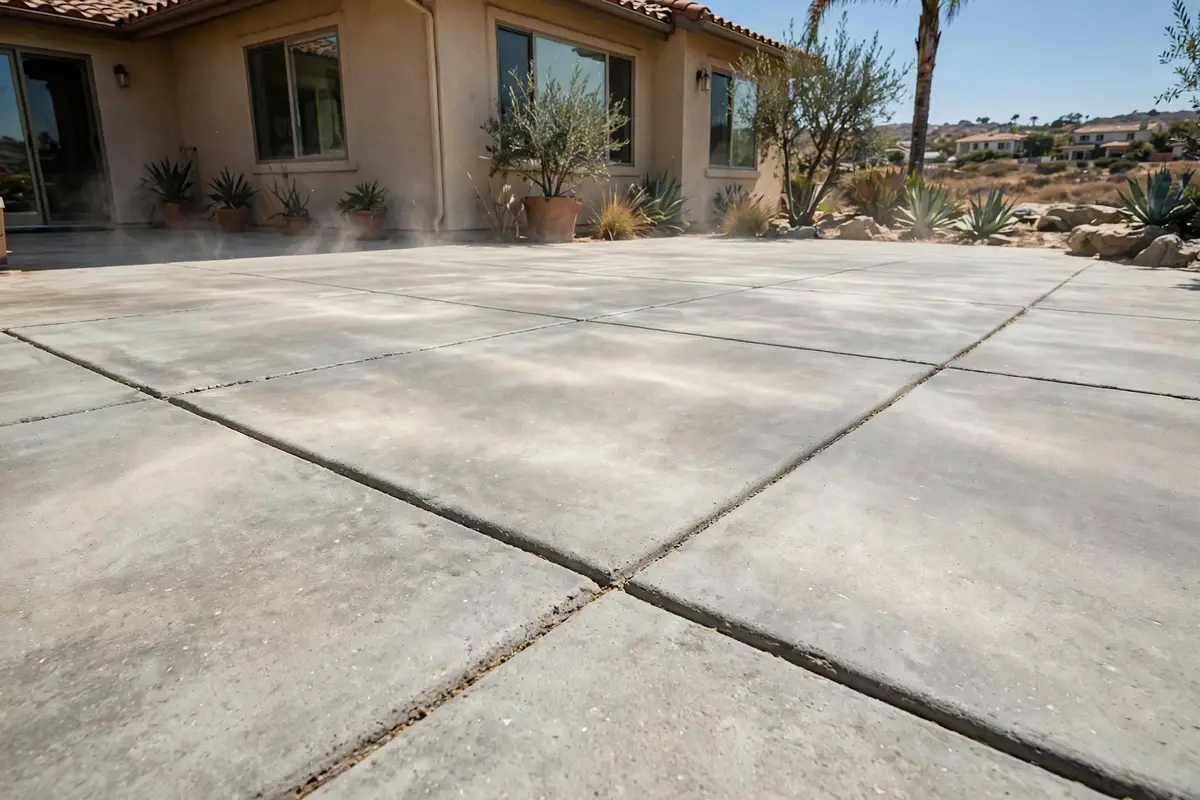
When people think about seasons and slab leaks, winter rain usually comes to mind. But Southern California summers bring their own set of stresses for under-slab plumbing: sustained heat, thermal expansion cycling, peak water demand, and drought-hardened soil that shifts when it finally gets wet. For Rancho Palos Verdes homeowners, understanding the summer side of the story completes the year-round picture and explains why some leaks first appear in August rather than January.
Thermal Expansion: Pipes Grow in the Heat
Metal pipes expand as they warm, and a Southern California summer gives them plenty of warmth to respond to. Incoming water arrives warmer, attic and wall temperatures climb, and the slab itself absorbs and stores heat through long sunny days. Each heating cycle lengthens the pipe slightly; each cooler night contracts it. This daily expansion-contraction flexes joints, fittings, and any section of pipe constrained where it passes through the slab. Over a summer of hundreds of cycles, that fatigue concentrates at the weakest points: old solder joints, previously stressed fittings, and sections already thinned by corrosion. Expansion does not break healthy pipe, but it finds the pipe that was already close to failing.
The Slab as a Heat Battery
A concrete slab in direct sun or under a heat-absorbing roof stores thermal energy and releases it slowly, keeping under-slab temperatures elevated well into the night. This sustained warmth matters for two reasons. First, it extends the daily expansion window, since the pipe never fully cools. Second, warmer conditions accelerate the chemical corrosion processes attacking copper from both soil and water sides. A line that corroded slowly through the mild months can cross its failure threshold during the sustained heat of late summer. This is one reason pinhole leaks sometimes cluster in August and September rather than distributing evenly through the year.
Peak Demand Stresses the System
Summer is peak water season: irrigation running daily, pools topping off, more showers, more laundry. Higher total flow means more pressure cycling as valves open and close, more water hammer events, and more thermal cycling of hot-water lines as the heater works harder. Municipal supply pressure can also fluctuate more during peak demand periods. For an under-slab line already weakened by corrosion or a marginal joint, the summer's relentless cycling provides the repeated loading that finishes the job. If your water bill spikes in summer beyond what irrigation explains, do not assume it is all landscaping.
Drought-Hardened Soil and Sudden Wetting
By late summer, Peninsula soils are at their driest and hardest, shrunken away from foundations and pipes. Then comes a late-summer thunderstorm, an irrigation line break, or the first fall rain, and the sudden wetting causes rapid, uneven swelling. That abrupt shrink-to-swell transition is mechanically violent compared to the gradual changes of winter: soil that released its grip on a pipe for months suddenly squeezes it again, differentially and unpredictably. Lines that survived the dry months in a relaxed state can be stressed sharply by the first real wetting. Keeping soil moisture consistent through summer irrigation, rather than letting it swing wildly, reduces this shock.
Attic Reroutes and Summer Heat
For homes with rerouted water lines running through the attic, summer deserves special attention. Attic temperatures in South Bay homes can soar, and PEX or copper runs up there experience the most extreme thermal cycling in the house. Proper installation accounts for this with expansion loops or offsets, secure but not rigid supports, and insulation that moderates temperature swings. If your home has an attic reroute from a previous slab leak repair, summer is the season to listen for new ticking or creaking as pipes expand, and to verify that insulation remains in place. A well-installed reroute handles summer fine; a poorly supported one announces its stress audibly.
Summer Warning Signs to Watch
Apply the standard symptom checks with summer awareness. An irrigation-season water bill that exceeds even generous landscaping estimates deserves a {meter test and professional evaluation, /slab-leak-detection/}. Warm floor spots are trickier to interpret in summer since floors run warmer generally; check in the cool early morning for the clearest reading. New ticking sounds in walls as pipes heat and cool, a water heater working unusually hard, or dampness appearing despite dry weather all warrant attention. Summer leaks are easy to dismiss as seasonal quirks, which is exactly why they sometimes run longer before discovery.
Preparing Plumbing for the Hot Months
Before summer peaks, verify your pressure regulator is functioning, since high pressure plus thermal cycling is a harsh combination. Maintain consistent, moderate irrigation rather than flood-and-drought cycles near the foundation. Know your shutoff location before vacation season, since a leak that starts while you are away in August runs for weeks. Consider a smart flow monitor if you travel frequently; it is the closest thing to having someone watch the meter while you are gone. And if summer symptoms appear, {electronic detection, /electronic-slab-leak-location/} works just as well in August as in January. Call (833) 713-2101 to reach an independent local slab leak specialist serving Rancho Palos Verdes who diagnoses summer leaks every year and can tell you whether the heat is a suspect or just a backdrop in your case who diagnoses summer leaks every year.
Suspect a Slab Leak? Talk to a Specialist Today
One call connects you with a local slab leak professional serving Rancho Palos Verdes, CA — day or night.
Call (833) 713-2101Frequently Asked Questions
Can summer heat cause slab leaks?
Yes. Sustained heat drives daily thermal expansion cycling that fatigues joints and weakened pipe sections, warmer conditions accelerate corrosion, peak water demand increases pressure cycling, and drought-hardened soil shocks pipes when suddenly wetted. Some leaks first appear in late summer for these combined reasons.
How does thermal expansion damage pipes?
Metal pipes expand when heated and contract when cooled. Hundreds of summer heating cycles flex joints and fittings, concentrating fatigue at the weakest points: old solder joints and corrosion-thinned sections. It does not break healthy pipe, but it finishes off pipe that was already close to failing.
How do I check for warm floor spots in summer?
Check in the cool early morning when floors are at their most neutral temperature. A leak-driven warm spot persists regardless of weather or time of day, while sun-warmed floors cool overnight. If the warm zone is stable around the clock, treat it as a genuine symptom.
Do attic water lines need special summer attention?
They experience the most extreme thermal cycling in the house, so proper installation matters: expansion accommodation, secure-but-flexible supports, and intact insulation. Listen for new ticking or creaking in summer and verify insulation is in place. A well-installed reroute handles heat fine.
How should I prepare plumbing for summer?
Maintain consistent moderate irrigation instead of flood-and-drought cycles, verify the pressure regulator before peak season, know your main shutoff before vacations, and consider a smart flow monitor if you travel. Address any summer symptoms promptly rather than dismissing them as seasonal quirks.