Slab Leaks in 1950s-70s Ranch Homes: What Peninsula Owners Should Know
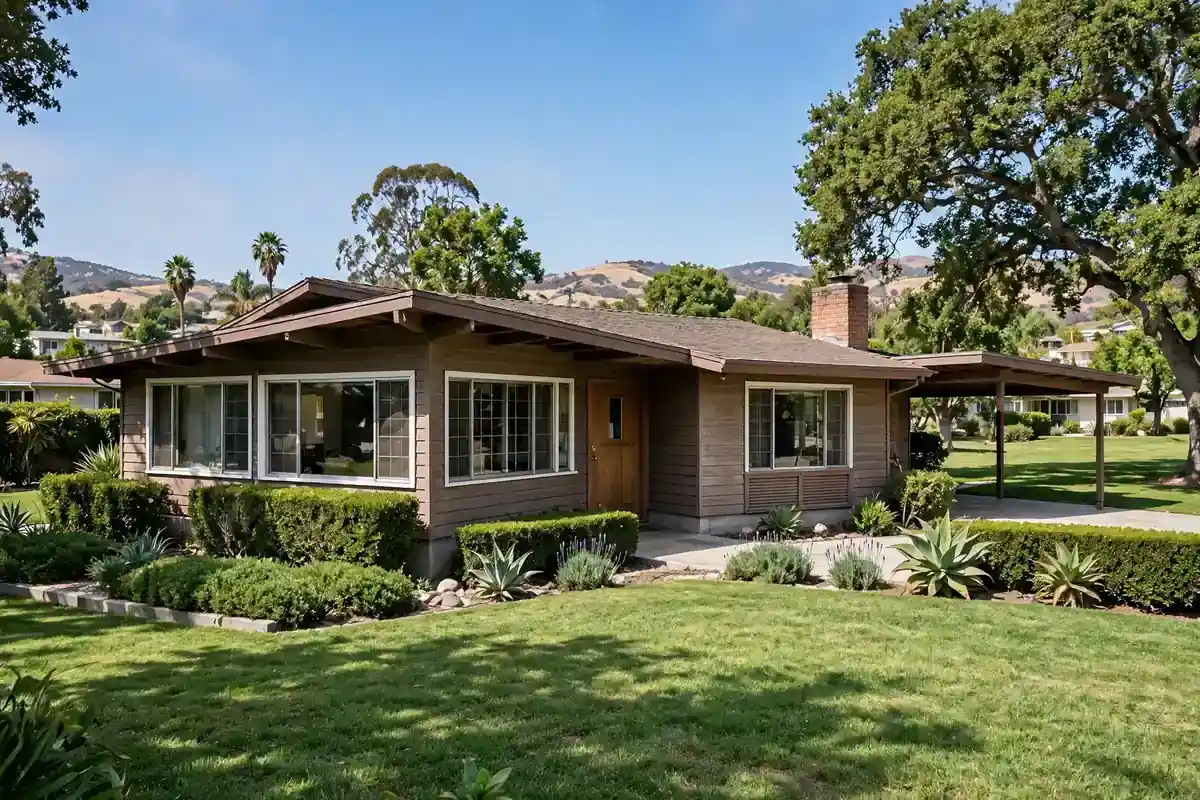
Much of Rancho Palos Verdes was built during the postwar boom, and the 1950s, 60s, and 70s ranch homes that define neighborhoods from Lunada Bay to the areas around Palos Verdes Drive are now sixty to seventy years old. These are wonderful homes, solidly built with the generous lots and indoor-outdoor living the Peninsula is known for, but their plumbing is reaching the age where original materials begin to fail. If you own one of these mid-century ranch houses, understanding how its under-slab plumbing was built and how it ages helps you stay ahead of the slab leaks that are increasingly common in this housing stock.
How These Homes Were Plumbed
The standard practice of the era was straightforward: copper water lines run beneath the concrete slab, branching to kitchens, bathrooms, and the water heater. Copper was the premium material of its day, expected to last generations, and in many cases it has. Lines were typically laid directly in or under the slab pour, sometimes with minimal wrapping or protection by modern standards. Manifold systems did not exist yet; instead, installers ran individual branches with soldered fittings at each turn and junction. Every one of those buried solder joints is now as old as the house.
Sixty Years of Corrosion
Six decades is a long time for metal in contact with soil and concrete. Exterior corrosion from soil chemistry and moisture has been working on these lines since installation, and interior corrosion from water chemistry has worked from within. Pinhole leaks from pitting corrosion are the signature failure, and they tend to arrive in clusters: once the first pinhole appears, the line has entered its failure phase. Homes that have already had one pinhole repair should treat it as a system warning rather than an isolated incident. Our article on {copper corrosion under the slab, /blog-copper-corrosion-under-slab/} explains the chemistry in detail.
The Tract-Building Factor
Rancho Palos Verdes grew fast, and speed left its marks. In tract construction, plumbing crews worked quickly across dozens of similar homes, and the quality varied. Common period shortcuts include copper laid without proper wrapping against concrete, excessive flux left in soldered joints causing interior pitting, kinked tubing pulled tight around bends, and lines resting directly on rebar or in contact with dissimilar metals. These installation details do not cause immediate failure, which is why the homes passed inspection, but they create the exact conditions for corrosion to concentrate decades later. Two identical floor plans can have very different plumbing longevity depending on which crew did the work.
What Aging Looks Like From Above
Owners of these homes should know the specific symptom profile of aging under-slab copper. The first sign is often a water bill that creeps upward without explanation. Warm spots on tile floors point to hot-water runs, which usually fail first because thermal cycling accelerates their corrosion. Damp carpet edges, musty baseboards, and the sound of running water with fixtures off follow as leaks progress. Because these homes are single-story with plumbing spread across a wide slab footprint, leaks can surface far from the actual break, making {professional detection, /slab-leak-detection/} especially valuable. Do not assume a damp spot in the guest bedroom means the leak is there; water travels.
Remodels Complicate the Picture
Many Peninsula ranch homes have been remodeled over the decades, and each remodel potentially altered the plumbing. Kitchens moved, bathrooms added, wet bars installed and later removed, all leave behind capped lines, abandoned loops, and new connections tied into aging pipe. Some remodels ran new lines overhead while leaving old under-slab lines charged, creating parallel systems where a leak can hide in the forgotten one. Before any detection visit, gather whatever you know about past remodels; that history helps the specialist map which lines are actually live and which are relics.
Repair Strategy for Aging Systems
When the plumbing is original and the first failures appear, the strategic question is whether to repair spots or address the system. Spot repairs make sense for a single isolated failure in a line that otherwise tests well. But when corrosion is clearly systemic, {rerouting the water lines, /slab-leak-pipe-rerouting/} out from under the slab or {rehabilitating them with lining, /epoxy-pipe-lining/} addresses the whole problem at once instead of scheduling a series of future emergencies. Many owners of 1960s ranch homes ultimately choose the whole-system solution after the second pinhole, having learned that the first was a preview. A frank assessment of the line's overall condition, not just the current leak, should drive the decision.
A Proactive Plan for Ranch Homeowners
You do not need to wait for symptoms. If your home still runs on original under-slab copper, consider a proactive evaluation: pressure testing of each branch, a review of your water pressure, and a discussion of the lines' condition. Know where your main shutoff is, watch your water bills seasonally, and keep an eye on the classic symptoms. Call (833) 713-2101 for an honest assessment from an independent local slab leak specialist serving Rancho Palos Verdes who knows these mid-century homes intimately and can give you an honest assessment of where your plumbing stands in its lifespan who knows these mid-century homes intimately.
Suspect a Slab Leak? Talk to a Specialist Today
One call connects you with a local slab leak professional serving Rancho Palos Verdes, CA — day or night.
Call (833) 713-2101Frequently Asked Questions
Why do 1950s-70s ranch homes get slab leaks?
Pitting corrosion of the original copper lines after 60-plus years in contact with soil and concrete. Pinhole leaks are the signature failure, often arriving in clusters once the first one appears. Installation shortcuts from tract construction, like unwrapped copper or excess flux in joints, concentrate the corrosion.
My 1960s home had one pinhole leak. Should I worry about more?
Treat it as a system warning. The soil, water, and installation conditions that created the first pinhole affect the whole run, so more failures commonly follow within months or a few years. Have the line's overall condition assessed rather than assuming the problem is solved.
Should I replace all the under-slab plumbing at once?
Not necessarily. If the failure was isolated and the rest of the line tests sound, a targeted repair is reasonable. But if corrosion is systemic across the run, rerouting or lining addresses the whole problem at once and usually proves wiser than a series of spot repairs. Base the decision on the line's overall condition.
Do past remodels affect slab leak diagnosis?
Yes, frequently. Kitchens moved, bathrooms added, and wet bars installed or removed leave capped lines, abandoned loops, and new connections tied into old pipe. Tell your detection specialist about every remodel you know of; it helps map which lines are actually live.
What symptoms should ranch homeowners watch for?
Watch for creeping water bills, warm spots on tile floors, damp carpet edges, musty baseboards, and running-water sounds with fixtures off. Hot-water runs usually fail first. Because single-story ranch layouts spread plumbing across a wide slab, symptoms can surface far from the actual break.