Slab Leaks and Mold: The Hidden Moisture Problem
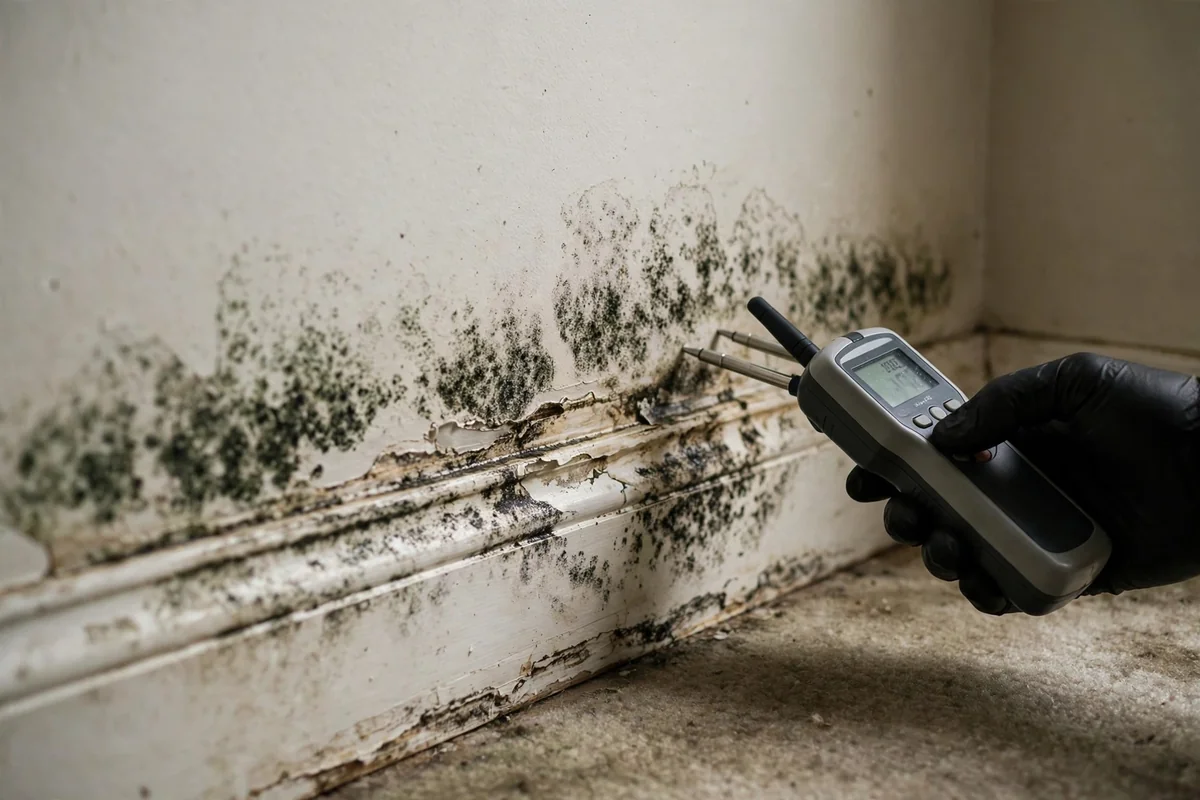
Slab leaks and mold are frequent companions, and the connection is straightforward: a hidden leak supplies exactly what mold needs, which is sustained moisture, and it supplies it in places you cannot see. By the time a musty odor reaches your nose, mold may have been growing beneath flooring or inside wall cavities for weeks. This article explains how slab leaks create mold problems, where the mold hides, what the remediation involves, and why the leak must be fixed first. It is general information for homeowners, not medical advice; if you have health concerns about mold exposure, talk to a qualified professional.
Why Slab Leaks Are Ideal Mold Factories
Mold needs three things: moisture, a food source, and time. A slab leak delivers continuous moisture to exactly the wrong places. Water wicking up through concrete dampens carpet padding, hardwood, drywall bottoms, and baseboards, and all of those materials are food. Because the leak runs around the clock and the area stays dark and poorly ventilated under flooring and behind baseboards, colonies establish and spread undisturbed. Unlike a one-time spill that dries, a slab leak never gives the area a chance to dry out, so growth continues as long as the leak does.
Where the Mold Hides
The most common hiding places are the ones you cannot see without pulling things up. Carpet padding over a damp slab section is a classic, as is the underside of hardwood or laminate near the moisture source. Drywall wicks water upward from the slab, so the bottom few inches inside the wall cavity can harbor growth behind a perfectly normal-looking wall surface. Baseboards trap moisture against the wall, and closet floors on the slab stay dark and undisturbed for months. In kitchens and bathrooms, the toe-kick areas beneath cabinetry conceal dampness that feeds growth out of sight. A musty smell with no visible source usually means the colony is in one of these hidden zones.
Hot-Water Leaks and Accelerated Growth
Hot-water line leaks deserve special mention because warmth accelerates mold growth. A warm, constantly damp slab section under flooring is close to ideal growing conditions, and colonies can establish faster and spread further than with a cold-water leak. Homeowners with a warm floor spot sometimes notice the musty odor developing within days rather than weeks. If you have both a warm patch and a musty smell in the same area, treat the situation as urgent on both the plumbing and the mold fronts.
Signs of Mold Tied to a Slab Leak
Watch for musty or earthy odors near the floor, especially in one room or along one wall. Look for discoloration on baseboards, darkening grout lines, paint bubbling near the floor, or a white powdery residue that keeps returning after cleaning. Carpet that feels damp in one area or hardwood showing cupping alongside an odor is a strong combined signal. Visible mold on surfaces is only part of the story; surface spots often indicate a larger colony behind or beneath. Document everything with dated photos, since this record supports both the repair plan and any insurance claim.
The Order of Operations: Leak First, Mold Second
This ordering is non-negotiable. Remediating mold while the leak still runs is pointless, because the moisture source immediately restarts the growth. The correct sequence is: confirm and locate the leak with {electronic detection, /electronic-slab-leak-location/}, repair the pipe by whichever method fits, dry the affected areas thoroughly with professional equipment, and then remediate the mold. Drying alone is not remediation; materials that have been colonized, like saturated carpet padding or water-damaged drywall sections, typically need removal and replacement rather than cleaning. A {slab leak repair specialist, /slab-leak-detection/} handles the plumbing side, and a qualified mold remediation professional handles the rest.
Drying: What Proper Dry-Out Involves
After the pipe is fixed, affected areas need active drying, not just time. Professionals use moisture meters to map how far water traveled, then deploy dehumidifiers and directed airflow to pull moisture from the slab, framing, and remaining materials. Concrete holds a surprising amount of water and releases it slowly, so drying a slab section can take days. Flooring should not be reinstalled until moisture readings confirm the slab is dry enough; laying new floors over a damp slab traps moisture and restarts the whole cycle. Patience here protects the investment you are about to make in new floors.
Preventing the Next Mold Episode
Once the immediate problem is resolved, reduce the conditions that let mold thrive. Fix the leak promptly when symptoms appear rather than waiting, since duration is what turns dampness into colonization. Keep indoor humidity in a moderate range, ensure bathrooms and kitchens vent properly, and address any drainage issues that keep soil against the foundation saturated. Consider the lesson of the hidden colony: periodic checks of closet floors, under-sink cabinet bases on slabs, and baseboards in ground-floor rooms catch moisture early. Call (833) 713-2101 to reach an independent local slab leak specialist serving Rancho Palos Verdes who can stop the moisture at its source, which is always the first and most important step who can stop the moisture at its source — always the first step.
Suspect a Slab Leak? Talk to a Specialist Today
One call connects you with a local slab leak professional serving Rancho Palos Verdes, CA — day or night.
Call (833) 713-2101Frequently Asked Questions
Can a slab leak cause mold growth?
Yes, very commonly. A slab leak supplies continuous moisture to carpet padding, hardwood, drywall, and baseboards, all in dark, poorly ventilated spaces. That sustained dampness is ideal for mold growth, which is why musty odors often accompany slab leaks that have run for weeks.
Should I fix the leak or the mold first?
Fix the leak first, always. Mold remediation performed while water is still entering the area will fail because the moisture source restarts growth immediately. The correct order is detection, pipe repair, thorough drying, then mold remediation of affected materials.
What are the signs of mold from a slab leak?
Look for musty odors near the floor, discolored or soft baseboards, darkening grout, bubbling paint near floor level, and damp-feeling carpet in one area. Visible surface mold often signals a larger hidden colony behind baseboards or beneath flooring, so investigate rather than just cleaning the surface.
Can moldy carpet padding be cleaned, or must it be replaced?
Materials that have been colonized, such as saturated carpet padding, swollen baseboards, or water-damaged drywall sections, generally need removal and replacement. Cleaning alone rarely resolves growth inside porous materials. A qualified mold remediation professional can assess what must go and what can stay.
How long should I wait before reinstalling floors?
Do not reinstall flooring until moisture meters confirm the slab has dried adequately, which can take days of active dehumidification. Laying new floors over a damp slab traps moisture and can restart mold growth under the new material.