Slab Leak Warning Signs Every Rancho Palos Verdes Homeowner Should Know
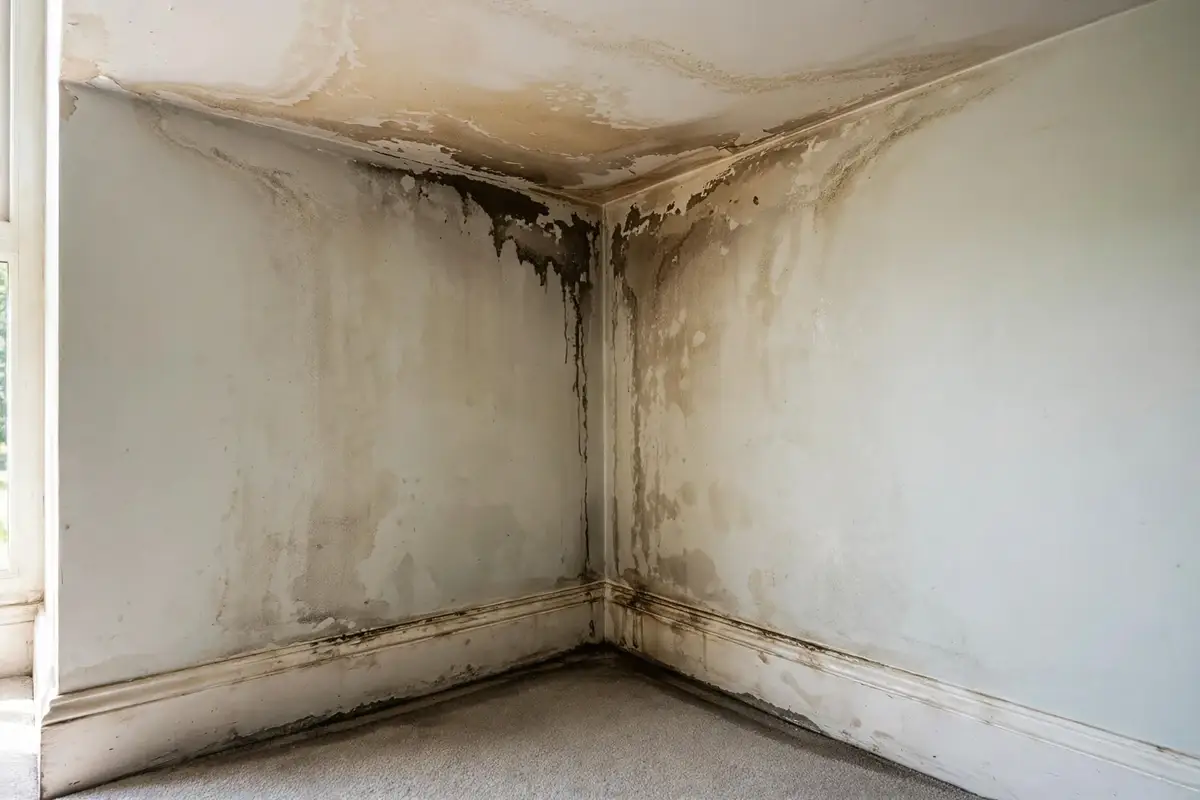
A slab leak is a leak in a water line that runs beneath your home's concrete foundation. Because the pipes are buried in or under the slab, the water has nowhere visible to go, so these leaks can run for weeks or months before anyone notices. In Rancho Palos Verdes, where many homes are 1950s to 1970s ranch houses built on slab foundations with original copper water lines, the risk is higher than in newer construction. As the winter rain season approaches, now is the right time to learn the warning signs, because saturated soil and cooler weather can turn a slow hidden leak into visible damage.
Your Water Bill Climbs Without Explanation
The most common first clue is a water bill that rises while your habits stay the same. A pressurized supply line leaking under the slab runs around the clock, and even a pinhole leak can waste a surprising amount of water over a month. Compare your current bill to the same season last year rather than last month, since Rancho Palos Verdes irrigation use shifts with the weather. If the increase cannot be explained by landscaping, a houseguest, or a running toilet, treat it as a red flag and investigate further.
Warm or Hot Spots on the Floor
If you notice a patch of tile, hardwood, or carpet that feels warm underfoot while the rest of the floor is cool, a hot-water line under the slab may be leaking. Hot water escaping beneath the concrete warms the slab directly above the break, and that warmth telegraphs through most flooring materials. Some homeowners first notice it in bare feet in the hallway or kitchen. A warm spot that persists day after day is worth taking seriously, and {hot-water line leak repair, /hot-water-line-slab-leak-repair/} specialists use thermal imaging to confirm whether escaping hot water is the cause.
Damp Spots, Warping, or Staining on Floors
Water migrating upward through the slab shows itself in flooring. Look for carpet that stays damp in one area, hardwood planks that cup or buckle, tile grout that darkens in a spreading pattern, or a faint white mineral residue along grout lines. In homes with laminate or engineered wood, edges may swell and lift. These symptoms can also appear when winter rains drive moisture through the slab from below, which is one reason damp spots deserve attention during the rainy months even if they seem seasonal. Either way, persistent dampness in one location points to water coming from somewhere specific.
The Sound of Running Water When Everything Is Off
Stand quietly in the house with every faucet closed, the dishwasher and washing machine off, and the irrigation controller disabled. If you hear hissing, rushing, or trickling, particularly near the floor or inside a wall, water is moving somewhere it should not be. This is one of the most reliable early indicators because a pressurized leak is audible even when it is too small to show other symptoms yet. Homeowners sometimes dismiss the sound as normal plumbing noise, but plumbing at rest should be silent.
Low Water Pressure in Part of the House
A leak under the slab bleeds off pressure before water reaches your fixtures. If one bathroom suddenly has weak flow while the rest of the house is normal, or the whole house feels weaker than it used to, a supply line may be losing water underground. Low pressure has other possible causes, including a failing pressure regulator or mineral buildup, so consider it a clue rather than a diagnosis. When it appears alongside a rising water bill, the combination strongly suggests a hidden leak.
Musty Odors and Mildew Near the Floor
Constant moisture under flooring feeds mildew and mold growth, and you may smell it before you see it. A musty odor along baseboards, in a closet built on the slab, or under area rugs can indicate water wicking upward through the concrete. Pull back rugs and check the flooring underneath if a room smells damp. Because mold growth and prolonged moisture can damage both flooring and indoor air quality, persistent mustiness tied to one area of the house is worth investigating promptly with {professional slab leak detection, /slab-leak-detection/}.
Cracks in Floors or Walls That Keep Growing
All concrete develops hairline cracks, but cracks that widen, lengthen, or appear alongside the other signs above can indicate soil erosion beneath the slab. Escaping water washes fine soil particles away from under the foundation, leaving voids that let sections of slab settle. In hillside neighborhoods like Portuguese Bend and Lunada Bay, where soil movement is already a fact of life, new or growing cracks deserve a closer look rather than a coat of filler.
What to Do When You Spot the Signs
Start by confirming water is actually flowing: turn off everything that uses water and watch your water meter for 15 minutes. If it moves, you have a leak somewhere in the system. Photograph any damp spots, warm areas, or cracks with dates, and note when each symptom first appeared, since that record helps both the repair specialist and any future insurance documentation. Avoid the temptation to break into the slab yourself; without {electronic leak location equipment, /electronic-slab-leak-location/}, exploratory jackhammering usually destroys good concrete and still misses the leak. Call (833) 713-2101 to speak with an independent local slab leak specialist serving Rancho Palos Verdes and the surrounding South Bay communities, who can pinpoint the leak and lay out your repair options, who can pinpoint the leak and explain your repair options.
Suspect a Slab Leak? Talk to a Specialist Today
One call connects you with a local slab leak professional serving Rancho Palos Verdes, CA — day or night.
Call (833) 713-2101Frequently Asked Questions
How much of a water bill increase points to a slab leak?
A jump of 20 to 30 percent or more on your water bill with no change in household usage is the most common first sign. In Rancho Palos Verdes, many homes sit on large lots with irrigation, so compare indoor usage patterns first. If irrigation is unchanged and the bill still climbs, a pressurized line under the slab is a strong suspect.
Can I confirm a slab leak myself before calling anyone?
You can start with a meter test: turn off every faucet and water-using appliance, then watch the meter for 15 minutes. If the dial or digital readout keeps moving, water is flowing somewhere. Beyond that, pinpointing the exact spot under concrete calls for acoustic listening and thermal imaging equipment, which is why most homeowners bring in a detection specialist.
How do I tell a slab leak from a running toilet?
Both leaks waste water and both raise bills, but a toilet leak is usually audible and easy to test with food coloring in the tank. A slab leak hides under concrete and often shows additional clues like warm floor spots, damp flooring, or the sound of running water inside walls when nothing is on.
Does every slab leak make the floor warm?
Not always. Hot-water line leaks create warm or hot spots on the floor, while cold-water line leaks usually show up as dampness, bill spikes, or sound without any warmth. Either type can damage the slab and flooring if left alone.
What should I do the day I first suspect a slab leak?
Act quickly but calmly. Do a meter test, note every symptom with dates and photos, and call (833) 713-2101 to be connected with a local slab leak specialist serving Rancho Palos Verdes. Avoid drilling or jackhammering on your own, since breaking concrete without knowing the leak location usually makes the damage worse.