Slab Leak vs. Foundation Crack: How to Tell the Difference
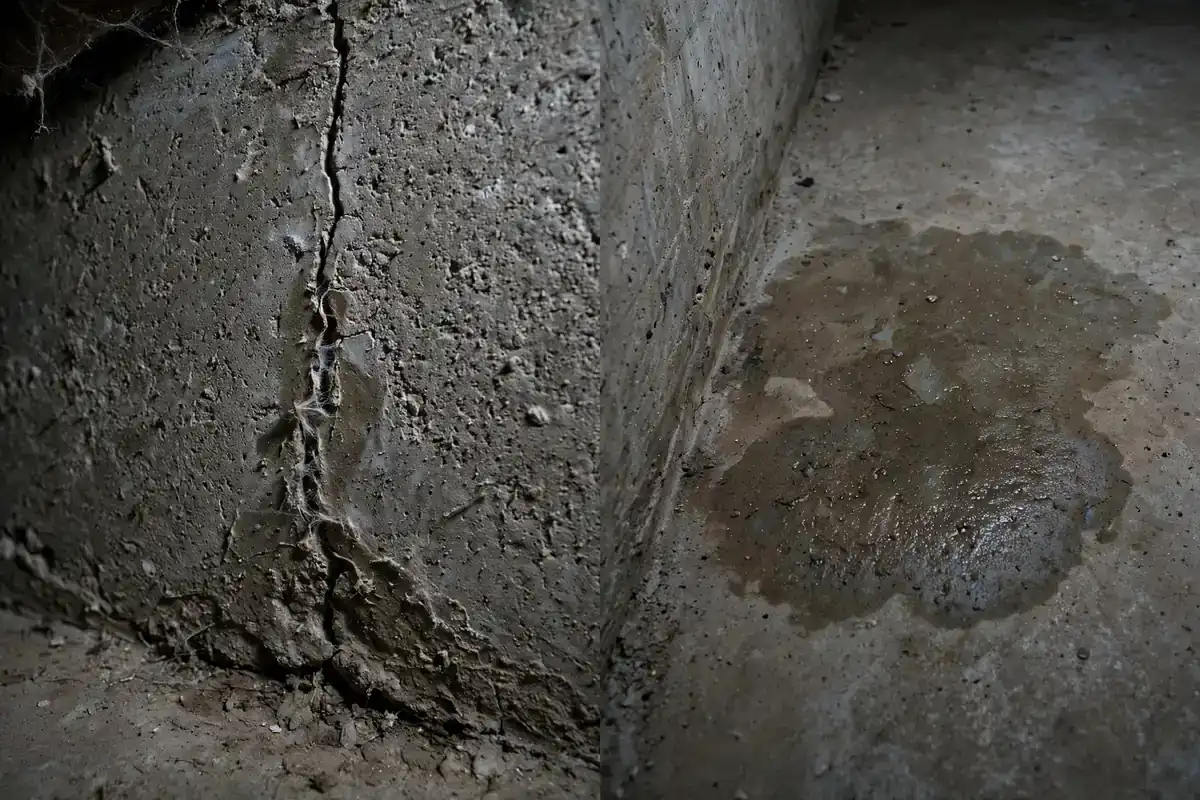
Homeowners in Rancho Palos Verdes discover cracks in concrete floors, garage slabs, and stem walls with some regularity, and the first question is always the same: is this a slab leak, or just a foundation crack? The two problems look related, and sometimes they are, but they have different causes, different consequences, and different fixes. Confusing one for the other leads to the wrong repair. This guide explains how each develops, how to read the clues your house is giving you, and when a crack is actually a leak in disguise.
What a Foundation Crack Is
A foundation crack is a fracture in the concrete of the slab or stem wall itself. Concrete shrinks as it cures, so hairline cracks appear in nearly every slab within the first year and are generally harmless. Later in a home's life, cracks can also come from soil settlement, thermal expansion and contraction, or, in hillside areas of Rancho Palos Verdes, slow soil movement. These are structural or cosmetic issues in the concrete. They may let moisture seep through, but they do not, by themselves, involve a broken water pipe.
What a Slab Leak Is
A slab leak is a failure of a pressurized water line running beneath or within the slab, most often copper pipe in the Peninsula's mid-century homes. The pipe develops a pinhole or split from corrosion, abrasion, or stress, and water escapes continuously under pressure. The concrete above may look completely intact while water erodes the soil below. Because the leak is hidden, its symptoms show up indirectly: rising water bills, warm floor spots, damp flooring, or the sound of running water. {Slab leak detection, /slab-leak-detection/} exists precisely because the pipe break itself is invisible.
How a Leak Creates Cracks
Here is where the two problems intersect. Water escaping under pressure does not just sit there; it moves, and moving water carries fine soil particles with it. Over weeks or months, this erosion hollows out small voids beneath the slab. Concrete spanning a void eventually flexes and cracks under the weight of the house, producing fractures that look exactly like settlement cracks. In neighborhoods with active soil, such as Portuguese Bend where the land itself creeps, a leak-accelerated void can combine with natural ground movement to produce cracking faster than either cause alone. This is why a crack that keeps growing deserves a leak check before anyone seals it.
Clues That Point to a Leak Behind the Crack
A crack alone is ambiguous, but a crack with companions tells a story. Suspect a leak when the crack is accompanied by a water bill that has climbed without explanation, a warm patch on the floor nearby, dampness or efflorescence along the crack, the sound of running water with fixtures off, or low water pressure. Cracks that stay dry, stable, and solitary for years are far more likely to be ordinary settlement or shrinkage. The pattern matters more than any single symptom, so note everything you observe with dates before deciding what to do.
Clues That Point to Settlement or Soil Movement
On the other hand, some crack patterns point away from plumbing. Stair-step cracking in stem walls, uniform gaps appearing at the same time around door and window frames, or cracks that opened during an unusually wet winter and then stabilized often reflect soil and moisture cycles rather than a pipe failure. Rancho Palos Verdes hillside homes experience these cycles more dramatically than flatland homes. If the whole house seems to be shifting slightly and no water-related symptoms exist, a foundation evaluation is the more appropriate next step than leak detection.
Seasonal Timing: Why Winter Often Reveals the Answer
In Rancho Palos Verdes, the rainy months from late fall through early spring act as a natural diagnostic test. Heavy rains saturate the soil around and beneath foundations, and homes with active leaks often show amplified symptoms during this window: damp spots darken, musty odors strengthen, and cracks that were stable all summer begin to move. If your crack's behavior changes with the seasons in a way that tracks moisture rather than temperature alone, that pattern leans toward water involvement. Conversely, cracks that open during hot, dry months and close slightly when rains return usually reflect soil shrink-swell cycles. Watching one full seasonal cycle, while documenting with dated photos, gives both you and any specialist a much clearer picture than a single snapshot.
When to Bring In Each Type of Professional
Choose the specialist that matches your leading hypothesis. If water-related symptoms exist, a slab leak detection specialist comes first, since only they can confirm or eliminate a pipe failure. If no water symptoms exist but the house shows shifting, sticking doors, or stair-step wall cracks, a foundation or structural specialist is the right call. When both sets of symptoms are present, start with leak detection anyway, because an active leak undermines any foundation work done on top of it, and the detection report informs the foundation assessment that follows. Be wary of anyone who proposes sealing or patching cracks as the entire solution while leak symptoms are still unexplained; cosmetics without diagnosis is how small problems become expensive ones.
The Right Order of Investigation
When both possibilities are on the table, investigate the leak first. The reasoning is practical: an active leak is causing ongoing damage every hour, while a stable crack can wait. A detection visit with {electronic leak location, /electronic-slab-leak-location/} will confirm or rule out a pipe failure without breaking concrete. If no leak is found, you can pursue foundation assessment with confidence that you are solving the real problem. If a leak is found, repairing the pipe comes before any crack repair or slab stabilization, because sealing concrete while water is still washing soil out from under it is wasted work. For an honest answer about what your house actually needs, call (833) 713-2101 and you will be put through to an independent local slab leak specialist serving the Palos Verdes Peninsula who can run that detection first and give you an honest answer about what your house actually needs.
Suspect a Slab Leak? Talk to a Specialist Today
One call connects you with a local slab leak professional serving Rancho Palos Verdes, CA — day or night.
Call (833) 713-2101Frequently Asked Questions
Are all foundation cracks a sign of a slab leak?
Hairline cracks under 1/16 inch wide that have been stable for years are usually shrinkage or minor settlement and not emergencies. Cracks that widen, lengthen, offset vertically, or appear alongside dampness, warm spots, or a rising water bill deserve professional evaluation, because those combinations can indicate water eroding soil beneath the slab.
What is the actual difference between the two?
A slab leak is a failed water line beneath the concrete; a foundation crack is a break in the concrete itself. They are separate problems, but a slab leak can cause foundation cracks when escaping water washes soil out from under the slab and lets it settle. Fixing the crack without finding the leak means the cause remains.
I found a new crack but no other symptoms. What should I do?
Monitor it first: mark the ends with a pencil and date, photograph it, and recheck monthly. If it grows, widens, or develops alongside any leak symptom, call (833) 713-2101 to be connected with a local specialist. In soil-movement areas like Portuguese Bend, mention the location, since local conditions affect the assessment.
Can a leak on one side of the house cause a crack on the other?
Sometimes. Water from a slab leak can travel surprisingly far along the underside of the slab or through soil before surfacing, so a crack across the room from the warm spot or damp area may still be connected. Detection equipment traces the actual water path rather than guessing from surface symptoms.
Which problem gets fixed first if I have both?
Start with leak detection, because stopping active water damage takes priority. Once the leak is confirmed and repaired, a foundation specialist can assess whether the slab needs stabilization. Repairing or sealing cracks while water is still eroding soil underneath is wasted effort.