Pipe Rerouting vs. Under-Slab Tunneling: Choosing the Right Fix
Once a slab leak is confirmed, one of the biggest decisions is how the failed pipe gets replaced. Two of the most common whole-line solutions are pipe rerouting and under-slab tunneling, and they take opposite approaches to the same problem. Rerouting abandons the underground line and runs a new pipe through the house above the slab. Tunneling goes beneath the foundation to reach and replace the pipe from below. Neither is universally better; each fits certain homes, certain leaks, and certain priorities. This comparison lays out how each works, where each shines, and how to choose between them.
How Pipe Rerouting Works
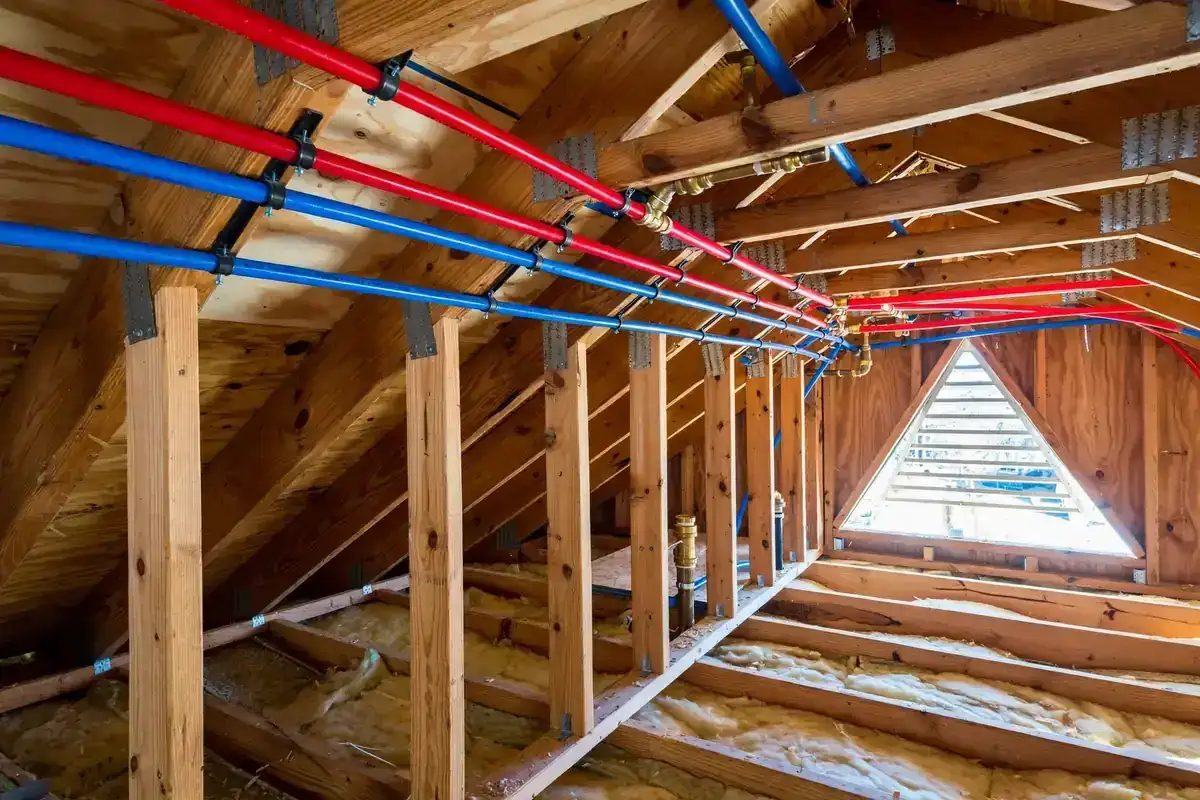
Rerouting leaves the failed under-slab line in place, permanently disconnected and sealed, and installs a brand-new water line along a completely different path. In a typical Rancho Palos Verdes ranch home, the new line runs up through a wall, across the attic or through ceiling joists, and back down to reconnect with the plumbing system beyond the failed section. The old pipe stays buried but carries no water, so it can never leak again. Because the new line runs inside the conditioned envelope of the house, it also escapes the corrosive soil environment that destroyed the original. Our {pipe rerouting service, /slab-leak-pipe-rerouting/} page details the approach for local homes.
How Under-Slab Tunneling Works
Tunneling takes the opposite approach: instead of abandoning the underground path, workers dig a tunnel beneath the foundation, starting from an exterior excavation and hand-digging under the slab to reach the failed pipe from below. Working in the tunnel, they cut out the damaged section and install new pipe along the original route, then backfill and compact the tunnel. The interior floors above are never broken, which is tunneling's signature advantage. It is labor-intensive, skilled underground work, and the tunnel must be properly backfilled and compacted to avoid future settlement. Our {under-slab tunneling service, /under-slab-tunneling/} page explains the process further.
Comparing Disruption Inside the Home
This is where the two methods differ most visibly. Rerouting keeps all the work inside the house: opening drywall chases, drilling through top plates, running pipe through the attic, and then patching, texturing, and painting. Expect drywall repair in several rooms and some days of workers moving through the house. Tunneling keeps the mess outside and underneath: the interior sees almost nothing, but the exterior gets an excavation pit, soil staging, and heavy labor at the foundation's edge. If you have original plaster walls, custom finishes, or simply want the interior untouched, tunneling's outside-in approach is appealing. If your attic is accessible and drywall patching does not faze you, rerouting is usually the faster path.
Comparing Cost Drivers
No method wins on cost in every case, because the drivers differ. Rerouting costs scale with the length of the new run, the number of walls and ceilings opened, and the extent of drywall and paint restoration. Long reroutes across a sprawling ranch home add up. Tunneling costs scale with tunnel length, soil conditions, and depth; digging under a deep footing in rocky Peninsula soil is slower than tunneling through soft, shallow ground. Access matters too: a clear exterior dig site keeps tunneling efficient, while a leak under a home's center with no good exterior approach makes tunneling impractical. Honest quotes itemize these factors rather than presenting one method as always cheaper.
Pipe Environment: Soil vs. Attic
Each method relocates the pipe's environment, with tradeoffs. Rerouting moves the line out of corrosive soil permanently, which is a genuine long-term win for homes whose soil destroyed the original copper. The new line lives in the attic or walls, where it is inspectable and serviceable, though attic runs in Southern California experience significant heat and need proper insulation and support. Tunneling keeps the pipe underground in the same soil that caused the original failure, so the replacement material and any protective measures matter greatly. Neither environment is perfect; the question is which set of tradeoffs suits your home and how long you plan to own it.
When Rerouting Is the Clear Winner
Rerouting tends to win when the under-slab line is systemically corroded, since abandoning the whole run solves the pipe's future, not just its present. It wins when exterior access for tunneling is blocked by a pool, a retaining wall, a steep slope, or a neighbor's property line, all common constraints on Peninsula hillside lots. It wins when the home's attic is accessible and the interior drywall work is straightforward. And it wins for homeowners who want the failed line permanently out of service rather than repaired in place.
When Tunneling Is the Clear Winner
Tunneling tends to win when interior finishes are the priority: original hardwood, custom tile, or stone floors that would be devastated by a slab opening, or plaster walls you do not want disturbed. It wins when the leak is localized and the rest of the line tests sound, since tunneling replaces the failed section along its original path. It wins for homeowners who cannot tolerate interior construction disruption, and for homes where an attic reroute would be unusually complex due to vaulted ceilings or inaccessible framing. {Electronic detection, /electronic-slab-leak-location/} that pinpoints the break precisely is what makes tunneling efficient, since the tunnel targets one spot.
Making the Decision
Start from the detection report: where exactly is the break, and is the rest of the line sound or failing? Then weigh your home's constraints: exterior access, attic accessibility, flooring value, and tolerance for interior work. Ask any specialist to quote both methods where both are feasible, with the tradeoffs explained in terms of your specific house rather than generic claims. Call (833) 713-2101 to weigh both methods against your home's realities with an independent local slab leak specialist serving Rancho Palos Verdes who will lay out rerouting and tunneling honestly against your home's realities, so the choice you make is an informed one.
Suspect a Slab Leak? Talk to a Specialist Today
One call connects you with a local slab leak professional serving Rancho Palos Verdes, CA — day or night.
Call (833) 713-2101Frequently Asked Questions
What is the difference between rerouting and tunneling?
Rerouting abandons the failed under-slab line and runs a new pipe through walls or the attic. Tunneling digs beneath the foundation from outside to reach and replace the pipe along its original underground path. Rerouting changes the pipe's route; tunneling preserves it.
Which method is less disruptive inside the house?
Rerouting involves opening drywall in several rooms and patching afterward, but no concrete work. Tunneling leaves the interior almost untouched but requires exterior excavation and underground labor. Choose based on whether you would rather deal with drywall repair or exterior digging.
Which option costs less?
It depends on the home. Rerouting costs scale with run length and drywall restoration; tunneling costs scale with tunnel length, depth, and soil conditions. Hillside lots with poor exterior access can make tunneling impractical, while sprawling single-story layouts make long reroutes pricier. Get both quoted where feasible.
Does rerouting protect against future corrosion?
Yes. Rerouting permanently removes the pipe from the corrosive soil environment that destroyed the original, which is a major long-term advantage in areas with aggressive soil. The new line runs in an inspectable, serviceable location instead of buried under concrete.
Does tunneling prevent future corrosion?
Not entirely. The new underground section sits in the same soil that attacked the original pipe, so the replacement material and installation quality matter. Rerouting is the method that fully escapes the soil environment.