Questions to Ask a Slab Leak Specialist Before You Hire
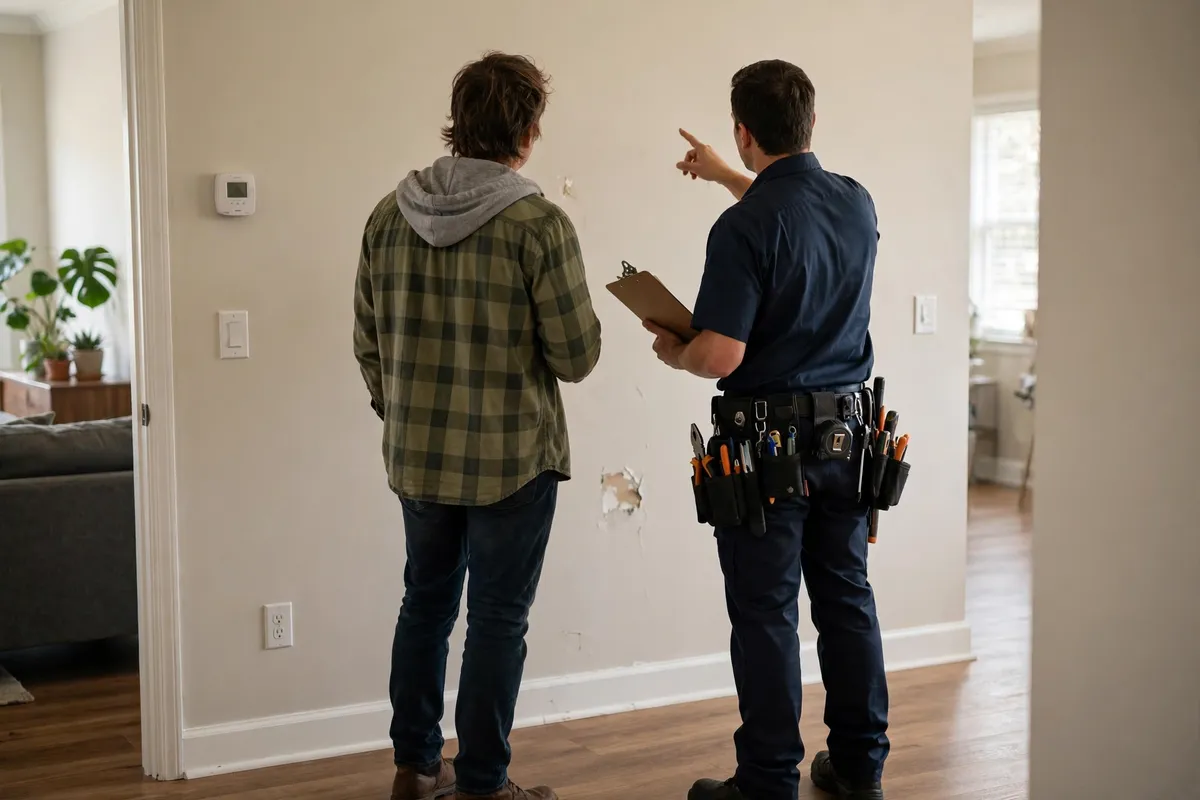
A slab leak diagnosis often leaves homeowners facing an unfamiliar decision with significant money attached, and the quality of that decision depends heavily on the questions asked before work begins. The right questions reveal whether a specialist is thorough, honest, and a good fit for your situation; the wrong approach is to accept the first proposal without understanding it. This guide gives Rancho Palos Verdes homeowners the questions that matter, organized by topic, with notes on what good answers sound like.
Questions About the Diagnosis
Start by testing the foundation the proposal stands on. Ask which line is leaking and how that was determined: which branches were pressure-tested and which held? Ask how the exact location was pinpointed and what the confidence level is: was it acoustic listening, thermal imaging, tracer gas, or a combination? Ask to see the marked location and the written detection report. A specialist who can explain the evidence clearly, and who hands you documentation without being asked, has done real diagnostic work. Vague answers about the location are a warning sign, because every repair option downstream depends on knowing exactly where the break is.
Questions About Repair Options
Ask what repair methods are feasible for your specific leak and why: spot repair, rerouting, tunneling, trenchless replacement, or lining. Then ask the critical follow-up: what are the tradeoffs of each in my house? A trustworthy specialist explains at least two viable options with honest pros and cons rather than presenting a single take-it-or-leave-it plan. Ask why the recommended method was chosen over the alternatives, and under what circumstances they would recommend a different approach. If only one option is offered, ask directly whether others were considered and ruled out, and why. Our comparisons of {rerouting versus tunneling, /blog-rerouting-vs-tunneling/} and {trenchless repair, /blog-trenchless-repair-explained/} can help you evaluate the answers.
Questions About the Pipe's Overall Condition
A single leak is data about the whole system. Ask whether the failure looks isolated or symptomatic of systemic corrosion: what is the age and material of the lines, and what condition are the other branches in? If the line is systemically corroded, ask whether a spot repair makes sense or whether you are likely to face repeat failures. This question separates transactional thinking from genuine counsel. A specialist focused only on today's leak may happily sell you a spot repair on a dying line; one thinking about your interests will raise the systemic question even when it complicates the sale.
Questions About Scope and Restoration
Ask exactly what the quoted scope includes and, equally important, what it excludes. Does the price cover detection, the pipe repair, concrete patching, flooring restoration, baseboards, and paint? Who performs the finish work, and what happens if matching flooring cannot be sourced? Ask how large the slab opening or access points will be, where they will be located, and how the work area will be protected from dust and damage. Ask about the drying process and how moisture clearance is verified before floors go back down. Surprises live in the gaps between trades, so pin down who owns each piece.
Questions About Timeline and Disruption
Ask for a realistic day-by-day sequence: when the water will be off and for how long, which rooms become work zones on which days, and when you can expect the house back to normal. Ask what could extend the timeline and how those contingencies are handled. If you work from home or have small children, describe your constraints and ask how the schedule accommodates them. A specialist who has run many of these projects will answer with specifics from experience, not generalities.
Questions About Warranty and Documentation
Ask what warranty covers the pipe work specifically: duration, what triggers it, and whether it covers the repaired section or the whole run. Ask separately about warranty on the restoration work. Get the warranty terms in writing, not as a verbal assurance. Ask what documentation you receive at completion: the detection report, pressure test results, photos of the repair, and itemized invoicing all matter for your records and for any insurance claim. If you may file a claim, ask whether the documentation package is designed to support one, and consider our {insurance claim documentation guide, /blog-documenting-insurance-claim/} alongside.
Questions That Reveal Character
Finally, ask a few questions with no technical answer. How many slab leaks like mine have you handled? What would you do if this were your house? What is the most common mistake homeowners make at this stage? The answers reveal experience and candor more reliably than any credential claim. Be cautious of anyone who guarantees outcomes, pressures for an immediate decision, or disparages every alternative to their preferred method. The specialist you want is the one who educates you into a confident decision rather than selling you into a quick one. Bring this list to the conversation when you call (833) 713-2101 and are connected with an independent local slab leak specialist serving Rancho Palos Verdes; bring this list to the conversation and judge the answers on their substance.
Suspect a Slab Leak? Talk to a Specialist Today
One call connects you with a local slab leak professional serving Rancho Palos Verdes, CA — day or night.
Call (833) 713-2101Frequently Asked Questions
What are the most important questions to ask a slab leak specialist?
Ask how the leaking line and exact location were determined, what repair methods are feasible with honest tradeoffs, whether the failure is isolated or systemic, what the full scope including restoration covers, the realistic timeline, and the written warranty terms. Also ask what documentation you receive at completion.
What do good answers sound like?
A clear explanation of the diagnostic evidence, at least two viable options with honest pros and cons where they exist, a frank assessment of the whole line's condition, an itemized scope covering restoration, a specific timeline, and warranty terms in writing. Vague locations, single-option ultimatums, and verbal-only warranties are warning signs.
What if the specialist only offers one repair method?
Ask directly whether other methods were considered and why they were ruled out for your house. There are legitimate cases where only one method fits, such as blocked access or a crushed line, but the specialist should be able to explain the reasoning specifically, not just assert a preference.
What documentation should I receive when the job is done?
Get at least the detection report, pressure test results, photos of the repair, and an itemized invoice. This package supports your home records, any future sale disclosures, and an insurance claim if you file one. Ask for it as a matter of course, not as a special request.
What are red flags when hiring a slab leak specialist?
Pressure for an immediate decision, guaranteed outcomes, disparagement of all alternatives, vague answers about the leak location, reluctance to put scope or warranty in writing, and unwillingness to discuss the pipe's overall condition. Any of these suggests the specialist's interests and yours may not align.