Slab Leak Repair in Wilmington, CA 90744
In Short
Wilmington, CA 90744 pairs 1940s-1960s postwar homes with a high harbor-plain water table, giving it the highest slab leak call density in the service area. If your water bill has spiked or pressure has dropped with no visible cause, the first step is simple: call (833) 713-2101 and get connected with an independent local specialist.
Slab Leak Repair in Wilmington, CA 90744: The Highest Call Density in the Area
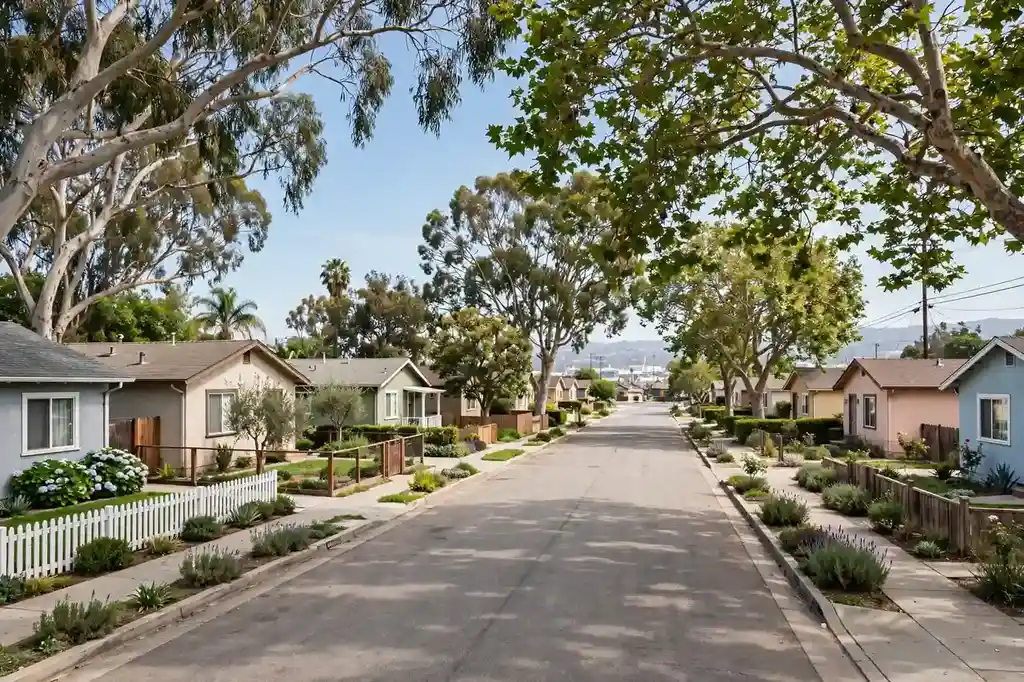
Wilmington is working-class postwar Los Angeles: single-family homes from the 1940s through the 1960s, some multifamily mixed in, on the flat harbor plain south of the port. The earliest stock carries galvanized steel supply lines; the late-1950s and newer homes run copper. Drains are cast iron throughout. Slab-on-grade foundations dominate the postwar tracts. That is an ordinary South Bay profile, until you add the two local accelerants.
The first accelerant is age. Wilmington's 1940s and 1950s galvanized systems are now 70 to 80 years old, sitting exactly at the pipe-life boundary where interior corrosion turns into pinhole failures. Galvanized fails from the inside out, invisibly, which is why the classic 90744 call is a pressure drop with no visible water anywhere in the house. The second accelerant is the high water table of the flat harbor plain: constant soil moisture that speeds exterior corrosion and masks small leaks, because damp ground shows no new wet patch when a pipe starts weeping.
That combination gives Wilmington the highest slab-leak call density profile in the service area. More old pipe, wetter ground, less visible evidence: leaks run longer here before anyone notices, which is why 90744 calls skew toward bigger secondary damage. If your bill has spiked or your pressure has fallen, Call (833) 713-2101 now rather than waiting for visible proof that this ground will not provide. You will be connected with an independent local specialist who knows harbor-plain plumbing.
Flat Alluvium, High Water Table, and Invisible Failures in 90744
Wilmington sits on flat harbor-plain alluvium, young sandy and silty soils laid down by coastal drainage, with the water table running high across the low areas. Under-slab pipe here lives in persistently damp ground. For galvanized steel, that dampness attacks from the outside while interior corrosion works from the inside; for copper, constant moisture accelerates exterior pitting. Either way, the pipe's environment is harsher than the same pipe would face in drier inland soil.
The industrial corridor along the refinery zone is part of the local landscape, but for plumbing it is cosmetic; the ground and the pipe age are what matter. Rain falls in the November-to-March window and saturates the already-damp alluvium, adding masking moisture exactly when aging pipe is under the most stress. Homeowners here learn not to trust their eyes: by the time a harbor-plain leak is visible, it has been running long enough to do real damage.
The diagnostic consequence is clear. Meter testing and pressure isolation matter more in 90744 than anywhere else nearby, because they prove a leak exists and identify its branch even when the ground gives nothing away. Ask a Pro at (833) 713-2101 how a harbor-plain detection visit is weighted toward the tests that wet soil cannot fool.
PCH, Avalon, and Anaheim: Getting Around 90744
The 90744 grid runs on Pacific Coast Highway, Avalon Boulevard, and Anaheim Street, the corridors that move both port traffic and service trucks. The Banning Museum and the Drum Barracks Civil War Museum anchor the historic side of the neighborhood, and LAUSD schools serve the residential blocks between the corridors. The housing along these streets is the postwar working-class stock that defines the ZIP: modest single-family homes, many still carrying their original plumbing.
That original plumbing is the story. Block after block of 1940s and 1950s homes with galvanized supply lines now sit at the 70-to-80-year boundary, which means a specialist working 90744 sees the same failure pattern repeatedly and diagnoses it fast. The era is legible from the street: the older the block, the more likely the call is galvanized rather than copper.
When you Book Service at (833) 713-2101, give the cross streets and the home's approximate era. On a 1948 home, the specialist arrives expecting galvanized and plans the isolation sequence accordingly; on a 1965 home, copper. That era briefing saves the first half hour of every visit.
How Slab Leak Detection Works in Wilmington's 90744 Homes
Detection in 90744 is built around the tests that damp ground cannot defeat. Everything off, watch the meter: movement proves water is leaving the pressurized system. Shut the house main: if the meter stops, the leak is in the yard service line, a frequent culprit on 1940s and 1950s galvanized services. If it keeps moving, the leak is under the house. Isolate the water heater to split hot-side from cold-side. Each step narrows the branch without needing a single visual clue.
Acoustic equipment still listens through the slab, but saturated soil conducts sound and raises the noise floor, so the leak's hiss competes with ambient conduction. Correlators and pressure testing carry the extra weight here, pinpointing the branch and confirming the breach independently of acoustics. Thermal imaging traces hot-line leaks through the floor. Two methods confirm before anything is marked, and the findings go into a written report.
The galvanized question gets answered during the visit too. A 75-year-old galvanized system with a confirmed pinhole is usually a repipe conversation, not a spot-repair conversation, because the corrosion is system-wide. An honest specialist says so plainly and shows you the evidence. Slab leak detection in Wilmington ends with a map of what is failing and how far the failure has spread.
Repair Options in 90744: When Repiping Beats Repairing
For Wilmington's galvanized stock, the repair conversation usually starts with repiping. When 70-to-80-year-old galvanized pipe opens its first pinhole, the interior corrosion that caused it runs through the whole system; a spot repair fixes one leak and schedules the next. A full or partial repipe, running new supply lines through walls and attics and abandoning the old galvanized, replaces the failing system in one project and ends the cycle of repeat calls.
Copper-era homes get the standard options: spot repair for a single pinhole in otherwise sound pipe, rerouting to abandon an aging under-slab run, under-slab tunneling to avoid breaking interior floors, or trenchless rehabilitation where the line qualifies. The yard service line deserves its own check on 1940s and 1950s homes; galvanized services fail independently and are often the true source of a bill spike attributed to the house.
Because 90744 leaks tend to run longer before discovery, the repair scope sometimes includes secondary damage: flooring, drywall, and the mold that damp harbor-plain ground encourages. Document everything with dated photos from the first sign. Contact Us Now at (833) 713-2101 to talk through the repair path for your home's pipe material and condition.
Warning Signs Wilmington Homeowners Should Not Ignore
Wilmington's warning signs are quieter than most, which is exactly why they demand attention. A water bill climbing over consecutive cycles with no usage change is the most reliable signal in ground this damp. The signature call is a pressure drop with no visible water: galvanized failing from the inside out. Running-water sounds with everything off, warm floor spots, a water heater cycling constantly, and damp carpet round out the list, but any one of them in a 1940s or 1950s home is enough.
Do not wait for a puddle. In the high water table of the harbor plain, a leak can run for months without surfacing, eroding soil under the slab and feeding mold in flooring cavities the whole time. Winter rain adds masking moisture on top of masking groundwater, so the bill and the pressure gauge are more trustworthy than your eyes from November through March.
The 70-to-80-year boundary is not theoretical; it is the age of the pipe under thousands of 90744 homes right now. If your home still has original galvanized and any symptom has appeared, treat it as urgent. Get Help Now at (833) 713-2101 and get the isolation tests started before the damage compounds.
Your First Step: Call and Get Connected
When you call (833) 713-2101, you reach a referral service that connects you with an independent local slab leak specialist serving Wilmington's 90744 neighborhoods. Have the home's era, the symptom timeline, and recent water bills ready. On a pre-1960 home, mention whether you know the pipe material; if you do not, the specialist will determine it on site.
The visit runs the harbor-plain sequence: meter test, house-main isolation to split yard from slab, water-heater isolation to split hot from cold, acoustic and correlator work weighted for saturated ground, and confirmation before marking. You receive a written findings report with the leak's branch and location, plus a straight assessment of whether the system is a repair candidate or a repipe candidate. If water is actively damaging the home, say so and the visit is prioritized through emergency slab leak repair.
Old pipe in wet ground is a known quantity, and your diagnosis should reflect that. Talk to a Specialist at (833) 713-2101 and get the facts about your system.
What Affects the Cost of Slab Leak Work in Wilmington, 90744
Wilmington's cost profile is defined by the oldest pipe in the wettest ground. The 1940s and 1950s galvanized systems are at the 70-to-80-year pipe-life boundary, and the high water table masks leaks until the damage is advanced. That combination pushes a large share of 90744 jobs toward repiping and restoration, which is why lifetime-cost thinking matters more here than anywhere else in the service area.
Detection is instrument-weighted by necessity. Meter testing and pressure isolation prove the leak and identify its branch even when saturated ground gives nothing away; acoustic work contends with groundwater noise and takes longer. The visit also assesses the system's overall condition, because on 75-year-old galvanized the question is never just where the pinhole is, but how much pipe is left. That assessment is the most valuable part of the diagnosis.
The repair economics are stark. A spot repair on spent galvanized is the cheapest invoice and the most expensive decision: the corrosion is system-wide, and the next pinhole is already developing. A full or partial repipe through walls and attics costs more in one project and ends the failure cycle. Wilmington homeowners who have lived through two or three spot repairs on the same galvanized system understand this math intimately; first-timers should hear it before authorizing the first repair.
Access on the flat harbor plain is simple, which helps: curb staging, shallow excavation, straightforward reroutes. The cost adder in 90744 is not access but discovery timing. Masked leaks run for months, so restoration scope, flooring, drywall, mold remediation, frequently exceeds the pipe repair itself. Document everything with dated photos from the first sign, because the restoration scope is where insurance documentation pays off.
The single biggest cost lever in Wilmington is refusing to wait. A bill spike investigated this week is a repipe; the same spike investigated next year is a repipe plus a restoration project. Contact Us Now at (833) 713-2101 and get the honest condition assessment before the damage compounds.
Suspect a Slab Leak? Talk to a Specialist Today
One call connects you with a local slab leak professional serving Rancho Palos Verdes, CA — day or night.
Call (833) 713-2101