Slab Leak Repair in Rolling Hills Estates, CA 90274
In Short
Rolling Hills Estates, CA 90274 is straightforward mid-century suburbia where 1960s copper runs beneath slab-on-grade foundations and is now in its prime failure window. If your water bill is climbing or you hear water running with fixtures off, the first step is simple: call (833) 713-2101 and get connected with an independent local specialist.
Slab Leak Repair in Rolling Hills Estates, CA 90274: Mid-Century Tract Plumbing
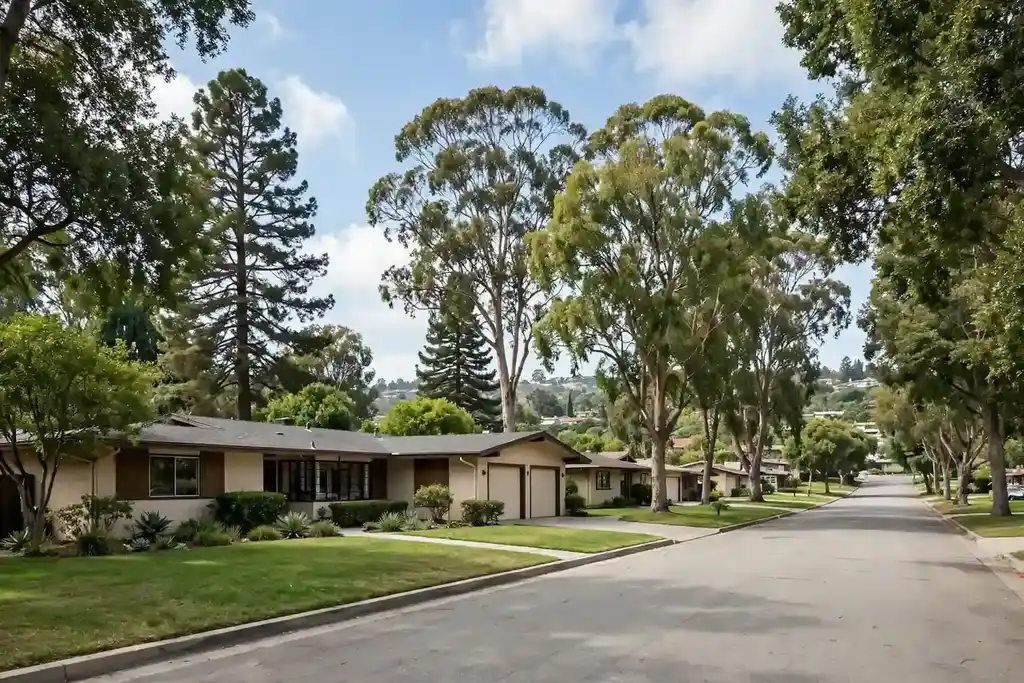
Rolling Hills Estates is the most straightforward of the Peninsula cities: suburban single-family tracts from the 1950s through the 1970s, plus newer infill, with a commercial core at Peninsula Center. The housing stock is classic mid-century suburbia, copper supply lines with cast-iron or ABS drains, and slab-on-grade foundations are the rule across the tracts. That 1960s copper is now in its prime failure window, which makes this one of the most predictable slab leak markets on the Peninsula.
The commercial side adds variety. Peninsula Center and The Promenade on the Peninsula bring retail and office buildings with their own plumbing patterns, larger-diameter lines, longer runs, and different usage profiles than the residential tracts. Commercial slab leaks in 90274 deserve the same detection discipline, but the repair conversation includes business disruption and tenant coordination that residential jobs do not.
There is nothing exotic about the failure mode here, and that is the point. Decades of interior corrosion pit aging copper until a pinhole opens under pressure, and the leak runs silently beneath the slab until the bill, the sounds, or the warm floor give it away. If you are seeing those signs in a 90274 home, Call (833) 713-2101 and mention the build year. You will be connected with an independent local specialist who diagnoses mid-century tract plumbing every week.
Canyon Edges, Rolling Terrain, and Winter Runoff in 90274
Rolling Hills Estates sits on rolling terrain over Monterey shale with terrace soils, and the city's north side holds canyon-adjacent lots where the grade drops toward the drainage courses. Those canyon lots are the one local complication in an otherwise simple picture: concentrated winter runoff flows toward and through the canyon edges, and downhill rooms on slope-adjacent lots can show dampness that looks like a plumbing leak but comes from drainage.
The rain pattern matches the rest of the Peninsula, nearly all of it falling from November through March. On canyon-adjacent lots, those months bring the heaviest slope-drainage pressure, and it is exactly then that homeowners most often notice damp downhill walls or musty lower rooms. The diagnostic rule is simple: drainage tracks with weather, plumbing leaks do not. A meter that moves with everything off is a plumbing problem regardless of the season; a damp wall that appears after storms and dries between them is a drainage problem.
Slope pressure on foundations is real but manageable. Terraced grading and retaining walls handle most of it, and the repair question is usually just access: where to open the slab or route the new line given the lot's grade. Ask a Pro at (833) 713-2101 about how canyon-lot symptoms get sorted before any slab work is quoted.
Peninsula Center to the Botanic Garden: Getting Around 90274
The 90274 service area in Rolling Hills Estates runs along Palos Verdes Drive North, Hawthorne Boulevard, and Silver Spur Road. The Promenade on the Peninsula and the Peninsula Center commercial core sit at the city's heart, with the Peninsula Center Library nearby and the South Coast Botanic Garden's 87 acres of cultivated landscape marking the eastern side. Most addresses fall within the Palos Verdes Peninsula Unified School District.
The neighborhoods are unpretentious mid-century suburbia: 1950s and 1960s tract streets, some 1970s infill, and the newer pockets that have filled in over the decades. That consistency is a diagnostic advantage. When a specialist has seen fifty 1962 copper-under-slab systems in the same city, the fifty-first gets a faster, more confident diagnosis, because the pipe layouts, failure modes, and access patterns repeat.
Commercial buildings around Peninsula Center follow the same street grid but need after-hours or low-disruption scheduling, which is worth mentioning when you Book Service at (833) 713-2101. Residential or commercial, the first step is the same: describe the symptoms and the building's era so the visit is planned correctly.
How Slab Leak Detection Works in Rolling Hills Estates Homes
Detection in Rolling Hills Estates is the textbook sequence, and the tract consistency makes it efficient. Meter test with everything off, house-main isolation to split yard service line from under-slab, water-heater isolation to split hot from cold, acoustic survey to find the neighborhood of the leak, and confirmation by thermal imaging, pressure testing, or tracer gas before anything is marked. The whole visit is non-invasive; concrete stays intact until the repair phase.
On canyon-adjacent lots, the technician adds one parallel check: is the dampness plumbing or drainage? The meter answers it. If the meter moves with everything off, water is leaving the pressurized system and the slab is in play. If the meter is still and the dampness tracks with rain, the fix belongs to drainage, grading, or waterproofing, not plumbing. Making that distinction before quoting slab work is what separates an honest diagnosis from an expensive mistake.
The deliverable is a marked location and a written findings report, which becomes the basis for repair quotes and any insurance documentation. Mid-century tract layouts are familiar enough that a competent specialist can usually complete the visit in one to three hours. Slab leak detection here is a solved process; the only variable is whether your lot's canyon edge needs the drainage question answered too.
Repair Options in 90274: Matched to Pipe Age and Lot Grade
Repair options in 90274 follow the pipe's age and condition. A single pinhole in otherwise sound copper gets a spot repair: open a small section of slab at the marked location, replace the failed segment, restore the concrete and flooring. For 60-plus-year-old copper with thinning throughout, rerouting, abandoning the under-slab run and installing a new supply line through walls or the attic, replaces the whole vulnerable line at once and is often the better long-term value.
Under-slab tunneling accesses the pipe from outside the foundation without breaking interior floors, a good fit where interior finishes are expensive to restore. Trenchless rehabilitation and epoxy lining can renew a line with minimal excavation where the pipe's condition qualifies. The detection report, the pipe's age, and the lot's grade decide among these; there is no universal right answer, only the right answer for your house.
Commercial buildings get a scheduling conversation on top of the technical one. Retail and office tenants need water, and repairs get sequenced to minimize downtime. Whatever the building type, insist that repair quotes reference the marked detection location and the written findings. Contact Us Now at (833) 713-2101 to get connected with a specialist who will walk the options against your specific conditions.
Warning Signs RHE Homeowners Should Not Ignore
The warning signs are the classics, and in 90274 they deserve immediate respect because the housing stock is at peak failure age. A water bill climbing over consecutive cycles with unchanged usage. The sound of running or hissing water with every fixture off. Warm spots on tile or stone floors, which usually mark a hot-line leak. Damp carpet or discolored flooring. A water heater that cycles far more than it used to. Fixture pressure that has quietly dropped. Any one of these in a 1950s to 1970s home is worth a detection visit.
On canyon-adjacent lots, read downhill dampness carefully. Moisture that appears after rain and fades in dry spells, mustiness confined to the lowest room, or staining on a downhill foundation wall points toward slope drainage. Moisture that never dries, a moving meter, or a warm floor patch points toward plumbing. When both are present, the meter test decides which problem to solve first.
Do not let a predictable housing stock make you complacent. Pressurized leaks erode soil under the slab around the clock and feed mold in flooring cavities, and the repair only gets bigger with time. If the signs are there, Get Help Now at (833) 713-2101 rather than waiting for the next bill to confirm what you already suspect.
Your First Step: Call and Get Connected
When you call (833) 713-2101, you reach a referral service that connects you with an independent local slab leak specialist serving Rolling Hills Estates and the Peninsula. Have the build year, the symptoms and their timeline, and, for canyon-adjacent lots, a description of the slope and any drainage work already done. Those facts let the specialist arrive ready.
The visit follows the proven sequence: meter and isolation tests, acoustic location, confirmation, a marked spot, and a written findings report. Then come the repair options, explained against your pipe's age and your lot's grade, from spot repair to full reroute, so you can choose without pressure. If water is actively coming through the floor, say so and the visit is prioritized through emergency slab leak repair.
Mid-century tract plumbing is a known quantity, which means your diagnosis should be confident and your options clear. Talk to a Specialist at (833) 713-2101 and get the process started.
What Affects the Cost of Slab Leak Work in Rolling Hills Estates, 90274
Rolling Hills Estates is the baseline against which the complicated ZIPs are measured. Straightforward mid-century tracts, flat to rolling lots, familiar pipe layouts: the five cost variables, diagnosis, method, access, finishes, restoration, all behave predictably here. That predictability is good news, because it means quotes are comparable and the decision comes down to the pipe's condition rather than lot-specific unknowns.
Detection is the standard sequence at tract speed, usually one to three hours, and the tract familiarity keeps it efficient. The one local adder is the canyon-edge check: on north-side lots near the drainage courses, the technician rules out slope drainage versus plumbing, which adds a modest amount of diagnostic care. It is worth every minute, because misdiagnosing drainage as a slab leak is the most expensive mistake in this ZIP.
Repair costs follow the pipe's age directly. A single pinhole in otherwise sound copper is a contained spot repair: small opening, short fix, modest restoration. Sixty-plus-year-old copper with thinning throughout points to rerouting, a bigger project that replaces the whole vulnerable run at once. Under-slab tunneling adds cost over open-slab work but saves expensive flooring; trenchless rehabilitation sits between them where the line qualifies. The detection report's condition read is the document that justifies whichever path is recommended.
Access is simple on these lots: curb staging, shallow excavation, clean attic runs for reroutes. Finishes are the usual tract mix, and restoration costs track the materials in the house. Commercial buildings around Peninsula Center add a scheduling variable, after-hours or phased work to avoid disrupting tenants, which is priced into the plan rather than the pipe.
The cost lever you control is timing. In a ZIP where the housing stock is at peak failure age, waiting turns a pinhole into a restoration project. Early detection, a written findings report, and a repair decision based on the condition read keep the total at its minimum. Book Service at (833) 713-2101 and get the straightforward diagnosis this straightforward housing stock deserves.
Suspect a Slab Leak? Talk to a Specialist Today
One call connects you with a local slab leak professional serving Rancho Palos Verdes, CA — day or night.
Call (833) 713-2101