Slab Leak Repair in Redondo Beach, CA 90278
In Short
Redondo Beach, CA 90278 is South Redondo, where salt air corrodes copper faster and sandy soil lets leaks travel far before surfacing. If your water bill has climbed or you hear water running with everything off, the first step is simple: call (833) 713-2101 and get connected with an independent local specialist.
Slab Leak Repair in Redondo Beach, CA 90278: Salt Air, Sand, and Mixed Eras
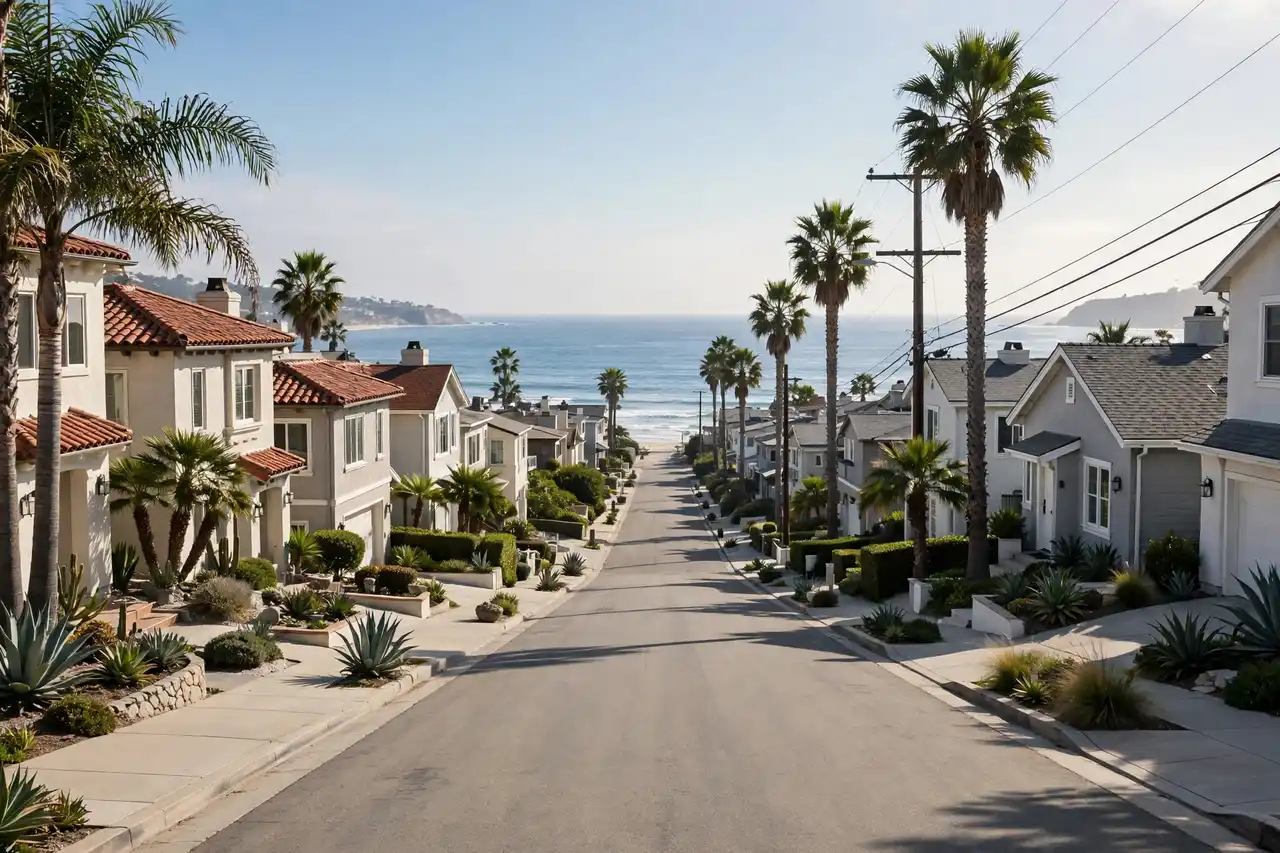
The 90278 ZIP is South Redondo: beach cottages from the 1920s through the 1940s near the water, mid-century infill through the postwar decades, modern rebuilds on prized lots, and denser multifamily near the pier. The 1920s to 1940s cottages carry galvanized steel and cast iron, often still original; the 1950s and newer stock runs copper. Foundations are mixed: raised in the oldest cottages, slab-on-grade in the postwar infill. Many homes were replumbed during rebuilds, so the pipe's actual age can differ sharply from the house's age.
Two coastal factors define slab leak work here. Salt air attacks exposed and shallow copper faster than inland air, which means a beachside 90278 home can show slab leaks a decade earlier than the same pipe would inland. And beach sand over alluvium drains exceptionally fast, so escaping water travels far laterally before surfacing; the damp patch can sit many feet from the actual break. Electronic detection beats visual hunting here, because eyes follow the water while instruments follow the pipe.
The era mix means every call starts with two questions: how old is the pipe, and what foundation is it under? If you are seeing signs in a 90278 home, Call (833) 713-2101 and have the build year and any repipe history ready. You will be connected with an independent local specialist who works the beach cities and knows what salt air does to copper.
Beach Sand, Salt Air, and Fast-Traveling Leaks in 90278
South Redondo sits on beach sand over coastal alluvium. Drainage is excellent, almost too excellent: water moves through sand fast, which is why leaks migrate far from the break before showing themselves. The soil moisture story is inverted from the harbor plain; here the problem is not saturation but salt. Salt-laden air and salt in the near-surface soil create a corrosive environment for copper, especially shallow runs and any exposed plumbing at the building's edge.
Direct marine exposure shapes the weather: salt air year-round, fog, and the November-to-March rain window. Winter storms drive salt spray deeper and saturate the sand briefly, but the sand drains within hours, so rain is a minor diagnostic factor. The corrosion, not the rain, is the climate story in 90278.
For plumbing, the consequence is accelerated aging. A 1970s copper line a block from the water can behave like a 1960s line inland. When you Ask a Pro at (833) 713-2101 about your home's pipe, mention how close you are to the water; distance from the surf is a genuine variable in the corrosion math.
Pier to Esplanade: Getting Around 90278
The 90278 corridors are Pacific Coast Highway, Catalina Avenue, and The Esplanade along the bluff. The Redondo Beach Pier, King Harbor, and Veterans Park mark the waterfront; the denser multifamily blocks cluster near the pier. Redondo Beach Unified schools serve the neighborhoods. The housing steps back from the water in era bands: cottages nearest the surf, mid-century infill behind them, rebuilds scattered throughout.
Beach-city density shapes the service call. Tight lots, limited staging, alley access, and neighbors close enough to hear equipment are the norm near the water. A specialist working 90278 plans for compact access: hand-carried gear, short equipment runs, and quiet hours respected.
When you Book Service at (833) 713-2101, give the cross streets, the build era, and the distance from the water. A 1932 cottage two blocks from the pier gets a different diagnostic plan than a 1975 infill home half a mile inland, and saying so upfront focuses the visit.
How Slab Leak Detection Works in South Redondo's 90278 Homes
Detection in 90278 leans on instruments because the ground will not cooperate with eyes. Meter test with everything off; house-main isolation to split the yard service line, a frequent independent failure in shallow, salt-exposed copper, from the under-slab plumbing; water-heater isolation to split hot from cold; acoustic survey through the slab; confirmation by thermal imaging, pressure testing, or tracer gas. The acoustic work matters most here, because the visible symptoms lie about the location.
Thermal imaging traces hot-line leaks through flooring, and correlators calculate the break's position along the run from two sensor points, which is exactly the right tool when water has migrated far in the sand. Pressure testing proves which branch is losing pressure. Two methods confirm before anything is marked, and the findings go into a written report.
The foundation check runs in parallel. On a 1920s or 1930s cottage, the technician verifies raised versus slab before planning anything, since a crawlspace leak is a different job entirely. Slab leak detection in South Redondo is instrument-first work, and the report should show which instruments were used and what each one found.
Repair Options in 90278: Built for the Salt Air
Repair options in 90278 follow the pipe's condition in a corrosive environment. A single pinhole in otherwise sound copper is a spot-repair case, but salt air thins pipe faster, so the surrounding copper gets a hard look; widespread thinning means rerouting the run, removing the pipe from the corrosive soil and air exposure. Under-slab tunneling preserves interior floors, and trenchless rehabilitation can renew a qualifying line with minimal excavation in the sandy soil.
Vintage galvanized in the 1920s to 1940s cottages is usually a repipe conversation: 90-year-old galvanized with system-wide corrosion will not be fixed by one repair. Raised-foundation cottages make repiping simpler, with much of the work running through the crawlspace. Yard service lines in shallow, salty soil get checked independently; they fail on their own and are often the true source of a bill spike.
Multifamily buildings near the pier get sequenced repairs around tenants, with shutoffs scheduled and service restored fast. Quotes should reference the marked location and the written findings. Contact Us Now at (833) 713-2101 to discuss the right fix for your home's era and distance from the water.
Warning Signs South Redondo Homeowners Should Not Ignore
Read 90278 symptoms with migration in mind. A water bill climbing over consecutive cycles with no usage change is the most reliable signal, because the sand hides everything else. Running-water sounds with everything off, warm floor spots, a water heater cycling constantly, damp carpet, and dropping fixture pressure all apply, but the visible damp patch may sit far from the break, so do not assume the stain marks the spot.
In the 1920s to 1940s cottages, add the galvanized tells: discolored water, reduced flow at individual fixtures, and pressure that has faded over years. Those signal interior corrosion even before a leak opens, and they mean the system is a repipe candidate whether or not a slab leak is the current problem.
Do not chase the damp patch with a sledgehammer. In fast-draining sand, the patch is where the water ended up, not where the pipe failed, and exploratory demolition in the wrong place just adds restoration cost. Get Help Now at (833) 713-2101 and let instruments find the break.
Your First Step: Call and Get Connected
When you call (833) 713-2101, you reach a referral service that connects you with an independent local slab leak specialist serving South Redondo's 90278 neighborhoods. Have the build year, any repipe history, the distance from the water, and the symptom timeline ready. Those four facts shape the diagnostic plan.
The visit runs meter testing, house-main and water-heater isolation, instrument-first location work with acoustic, thermal, and correlator methods, and confirmation before marking. You receive a written findings report with the true break location, not just the symptom location, then repair options matched to the pipe's condition. If water is actively damaging the home, say so and the visit is prioritized through emergency slab leak repair.
Salt air and sand demand instrument-grade diagnosis. Talk to a Specialist at (833) 713-2101 and get the break located properly.
What Affects the Cost of Slab Leak Work in Redondo Beach, 90278
South Redondo costs are set by salt and sand. Salt air corrodes copper faster than inland air, which compresses the pipe's effective lifespan, and beach sand lets leaks migrate far from the break, which makes instrument-grade detection non-negotiable. The five variables run through the corrosive environment and the mixed-era housing stock.
Detection is instrument-first by necessity. The visible damp patch can sit many feet from the actual break in fast-draining sand, so acoustic equipment, correlators, and thermal imaging do the locating that eyes cannot. That instrument time is priced into the visit, and it is what prevents exploratory demolition in the wrong place, the single most wasteful expense in slab leak work. The foundation check runs in parallel on the 1920s to 1940s cottages, since a crawlspace leak is a different job entirely.
Repair costs follow the pipe's condition in a corrosive environment. A single pinhole in otherwise sound copper: spot repair. Copper with salt-accelerated thinning throughout: reroute out of the corrosive soil. Ninety-year-old galvanized in the beach cottages: repipe, with raised foundations making the work simpler where they exist. Yard service lines in shallow, salty soil get checked independently; they fail on their own and replacing one is far cheaper than under-slab work.
Beach-city density is the access variable: tight lots, alley access, minimal staging, hand-carry gear. Those constraints add hours compared with suburban tract work. Finishes near the water run toward the expensive end, which raises the value of the detection precision that keeps openings small.
The 90278 cost lever is refusing to chase the damp patch. Instruments find the break; eyes find where the water ended up. Talk to a Specialist at (833) 713-2101 and get the break located before anyone prices the repair.
When a Slab Leak Can't Wait in Redondo Beach, 90278
South Redondo's emergency slab leak is water actively surfacing through the floor or a hot zone spreading fast across tile or stone. In the 1920s to 1940s beach cottages, add a variant: water appearing in the crawlspace of a raised-foundation cottage, which is simpler to stop and simpler to fix. Either way, the first instruction is the same: stop the water, then call.
The main shutoff on most 90278 homes is in the garage, on an exterior wall, or in a ground-level box near the meter; turn it clockwise. Beach-city density means the meter can be tucked into a tight side yard, so know its exact position before the emergency. Older gate valves seize from salt-air corrosion faster than inland valves, which makes the calm-day test especially worthwhile here. The meter-side curb shutoff is the backup.
With the flow stopped, move belongings off wet areas and photograph everything with timestamps. Then call (833) 713-2101 as an emergency: describe the active symptoms, the home's era, and the foundation type if you know it. The emergency slab leak repair visit stops the damage and documents conditions; instrument-grade detection follows once things are stable, because in fast-draining sand the visible water is not where the break is.
Suspect a Slab Leak? Talk to a Specialist Today
One call connects you with a local slab leak professional serving Rancho Palos Verdes, CA — day or night.
Call (833) 713-2101